2026 Shark Update: Panama City Beach Risk and How Visitors Stay Safe

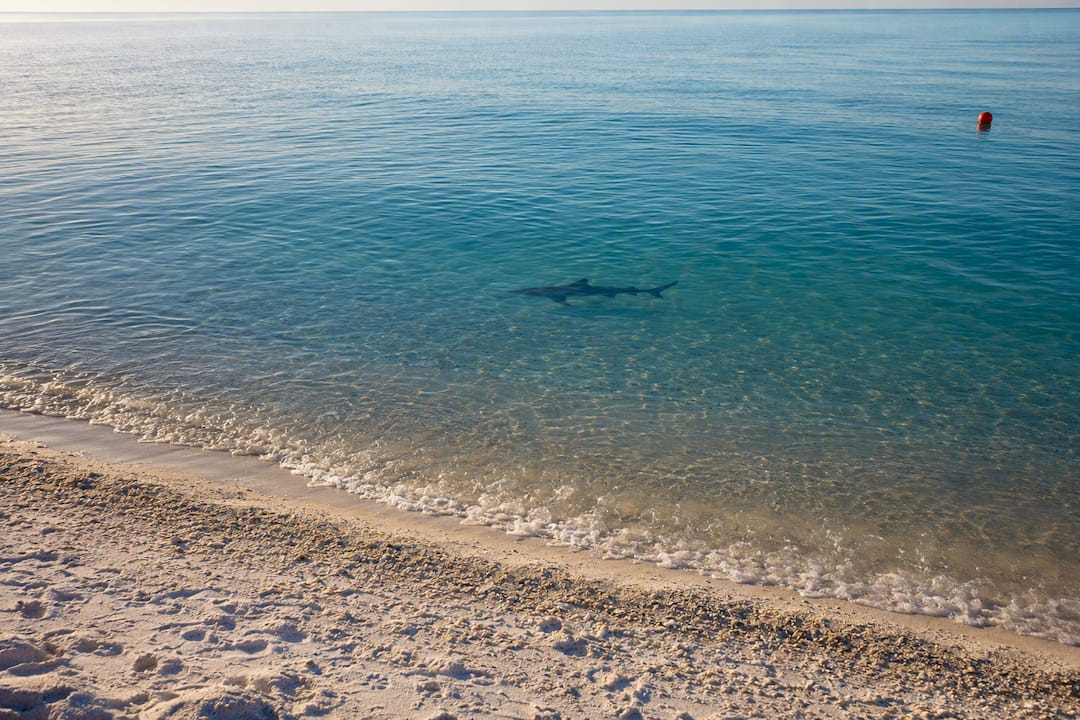
Shark risk at Panama City Beach is very low, even though sharks live in these waters year round. Fatal shark attacks in the United States occur at odds of roughly 1 in 4,332,817, and NOAA researchers describe most bites as mistaken identity, not predatory attacks. The one habit that matters most: skip murky water and areas where people are actively fishing.
TL;DR:
Most shark encounters near Panama City Beach involve small, harmless species like Atlantic sharpnose sharks, and aggressive attacks are extremely rare.
Shark bites are usually mistaken identity caused by murky water, active fishing, or low visibility, which significantly increases risk in those conditions.
The peak shark activity occurs from May to October when water temperatures rise above 83°F, especially at dawn and dusk, or after storms.
Safety relies on choosing clear water during daylight, avoiding active fishing zones, and paying attention to flag warnings and real-time condition updates.
Nearly all incidents are linked to specific avoidable conditions, with most people far more likely to be injured in a car accident than by a shark in these waters.
Table of Contents
How Common Are Shark Sightings And Attacks Here?
Sharks bite people in the Florida Panhandle only occasionally, and 2026 gave visitors two reminders of that within a single week in June. One incident near NSA Panama City Marina in St. Andrew’s Bay left a swimmer with injuries a NOAA biologist attributed to a bull shark drawn into murky nursery water, according to local reporting on the Bay County attack. A separate case involved an angler injured while handling a hooked shark elsewhere in the Panhandle, covered in WEAR-TV’s report on the two June bites.
Put those events next to the national numbers and the picture changes fast.
You are far more likely to be hurt driving to the beach than by a shark in the water.
Florida logs more shark bites than any other state, but most cluster on the Atlantic coast around Volusia County, not the Panhandle.
NOAA experts quoted by WJHG call Panhandle attacks extremely rare even in an active news year.
The odds: roughly 1 in 4.3 million for a fatal shark attack nationwide, a number that puts the 2026 headlines in perspective without dismissing them.
Which Sharks Actually Show Up Near Panama City Beach?
St. Andrew’s Bay functions as a nursery, which is exactly why sharks turn up close to docks, jetties, and swim areas most people assume are shark-free. Juveniles and pregnant females use the bay’s shallow, food-rich water to grow and give birth, a pattern the University of Florida IFAS blog ties directly to warm-season estuary use.
The species locals and biologists report most often:
Bull sharks tolerate low-salinity bay water and were the likely species in the June 2026 St. Andrew’s Bay incident.
Blacktip sharks move inshore in large numbers during warmer months and rarely target people.
Sandbar sharks favor deeper channel edges and drop-offs rather than the swim zone itself.
Atlantic sharpnose sharks are small, common, and essentially harmless to swimmers.
Larger tracked sharks, like the juvenile great white nicknamed “Bella” that passed near the Panhandle in spring 2026, pass through without meaningfully raising beach risk.
For a closer look at what typically shares the water on a calm day, the marine life guide for St. Andrews Bay breaks down what tour guests actually see.
When Is Shark Season In Panama City, And What Time Of Day Matters Most?
Shark activity inshore tracks the calendar closely. May through October is the working shark season here, driven by water warm enough to pull nursing species into the bay. On June 10, 2026, water temperatures hit 83°F at the beach and 86°F inside St. Andrew’s Bay, right in the range that draws sharks toward shore, per IFAS research.
A few conditions raise the odds of an encounter beyond the season itself:
Dawn and dusk, when low light makes it harder for sharks to tell a swimmer’s hand from a baitfish.
The hours right after a storm, when runoff clouds the water and stirs up the sandy bottom.
Any stretch of visibly brown or churned water, regardless of the time of day.
What Actually Raises Your Risk In The Water
Most Panhandle shark incidents share a short list of ingredients, and removing any one of them cuts your risk substantially.
Murky water. Poor visibility is the single biggest factor NOAA biologists cite in Panhandle bites, since it drives the mistaken identity that causes most injuries, per WJHG’s reporting.
Active fishing nearby. Bait, blood, and struggling fish attract sharks close to shore, which is how the angler-related June 2026 injury happened.
Sandbars, inlets, and drop-offs. Baitfish stack up in these spots, and sharks follow the food.
Shiny jewelry and erratic splashing. Both can mimic the flash and motion of fish, another detail NOAA experts flag repeatedly.
Pro Tip: If you’re fishing from a jetty or pier and hook a shark, cut the line. Don’t try to land it or pull it close for a photo. That’s exactly how one of the two June 2026 Panhandle injuries happened.
Practical Safety Habits For Swimmers, Snorkelers, And Boaters
None of this requires avoiding the water. It requires picking your conditions.
Do this:
Swim within sight of a lifeguard and stay with a group.
Check the flag color before you walk in, every single time.
Swim in clear water during daylight hours, ideally midday.
Exit calmly and without splashing if you spot a shark nearby.
Skip this:
Swimming near people actively fishing off a pier or jetty.
Wading into brown or churned water, especially after rain. The guide to brown water conditions explains why visibility drops so fast here.
Wearing shiny jewelry in the surf.
Swimming alone at dawn or dusk.
For boaters and snorkelers: a guided outing on a smaller, private boat gives you more control over site selection than a crowded public tour, since the captain can steer toward calmer, clearer water and keep a respectful distance from wildlife. Confirming your boat carries the right gear matters too, and this Florida boat safety equipment checklist is a solid starting point before any trip.
Pro Tip: Rip currents injure far more Panama City Beach visitors every year than sharks do. The rip current safety guide covers a risk that deserves just as much attention.
What To Do If Someone Is Bitten
Fast, calm action makes the biggest difference in outcome.
Get the person out of the water immediately and away from the area where the bite happened.
Call 911 right away and give the exact location, including the nearest beach access point or landmark.
Apply firm, direct pressure to the wound with a towel or clothing to control bleeding. Use a tourniquet only if you’re trained and the bleeding won’t stop otherwise.
Keep the person still and warm to reduce the risk of shock while help is on the way.
Alert lifeguards if any are nearby so they can flag the area and help direct emergency responders.
Report the incident to the Florida Fish and Wildlife Conservation Commission and the Bay County Sheriff’s Office, and avoid disturbing the scene so investigators can determine the likely species and cause.
Flags, Lifeguards, And Who’s Watching The Water
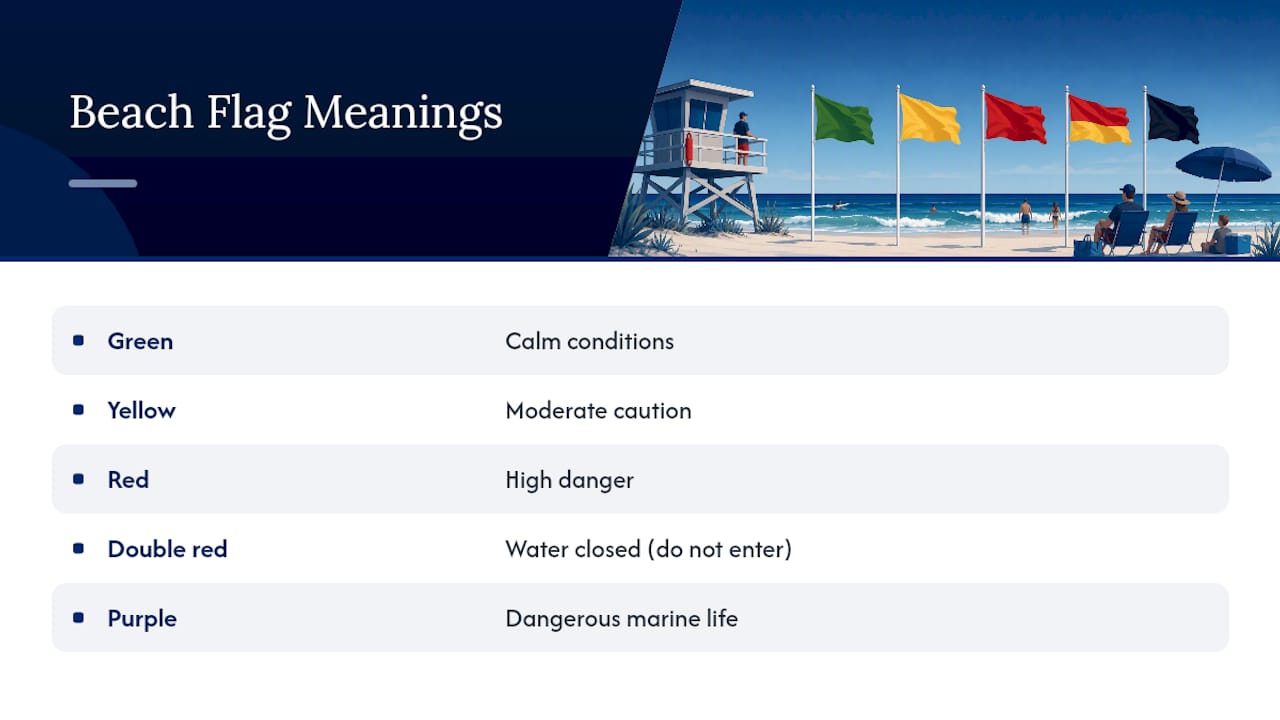
Panama City Beach uses a color-coded flag system, and it’s the fastest way to gauge conditions before you commit to swimming. Green means calm, yellow means moderate caution, red and double red mean stay out, and purple specifically warns of dangerous marine life, according to Visit Panama City Beach’s official safety guidance.
Ignoring a closure flag isn’t just risky, it can carry legal consequences in posted zones. Lifeguards, the Bay County Sheriff’s Office, FWC, and NOAA all play a role in monitoring conditions and responding to incidents, and recent incidents have renewed public conversation about faster shark-related alerts for beachgoers, sometimes referenced locally as “Lulu’s Law” proposals. Check the flags posted at your beach access point every time you visit, since conditions can shift within hours.
What Our Captains See On The Water Every Week
Most days on the water, the marine life sightings that matter are dolphins, rays, and schools of baitfish, not sharks. When visibility drops or a current pushes murky water into the bay, PCB Prestige’s licensed captain adjusts course toward clearer, calmer spots rather than pushing into questionable conditions.
Every tour involves a small group, snorkel gear, and a deliberate choice of sites that keep guests at a respectful distance from wildlife. That combination, an experienced captain, a private group, and flexible site selection, is what actually reduces risk on the water, more than any single statistic can.
Shark Myths That Don’t Hold Up At Panama City Beach
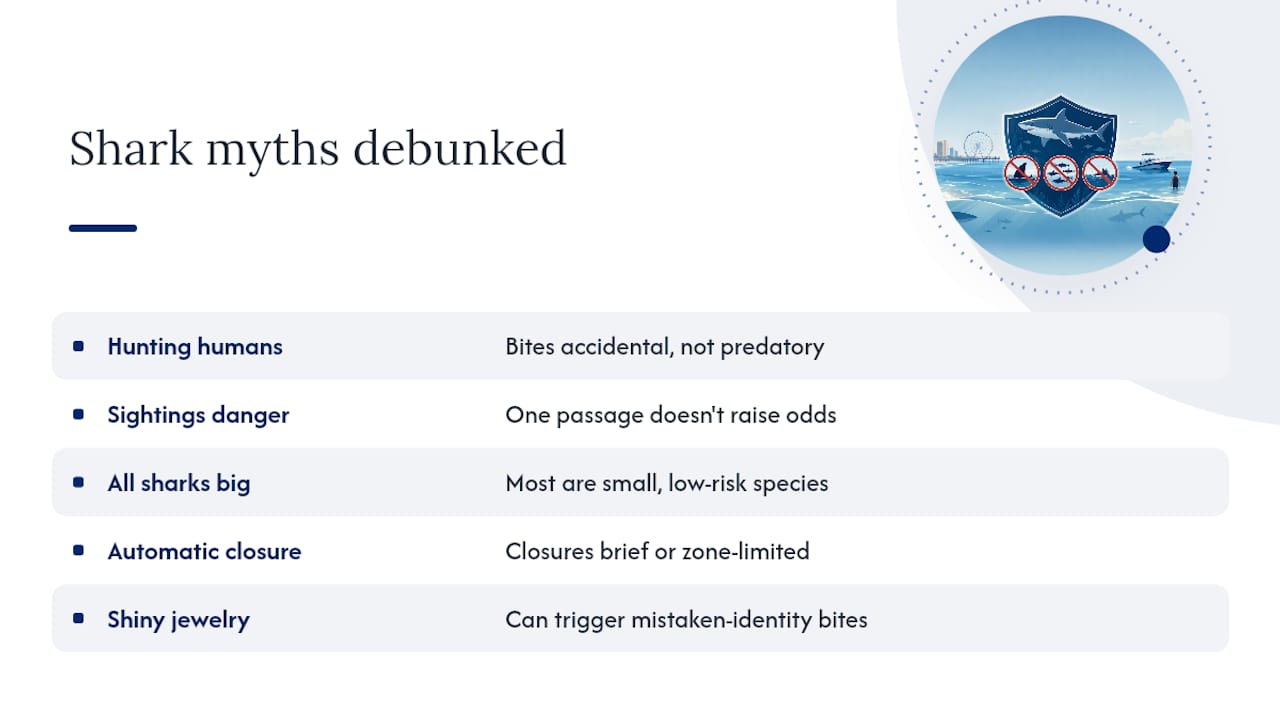
The biggest myth is that sharks are actively hunting people. NOAA biologists consistently describe bites as accidents of poor visibility, not predatory behavior, a point repeated across multiple 2026 Panhandle incident reports. A shark mistaking a hand or foot for a baitfish in cloudy water looks nothing like a targeted attack, even though the injury is real.
Another common myth: more shark sightings mean more danger. Sightings of tagged animals like the juvenile great white “Bella” generate headlines, but a single tracked shark passing through the Gulf doesn’t change the actual odds for someone swimming near shore. Researchers use that tracking data to study migration, not to issue a beach-by-beach threat level.
People also assume all sharks near the beach are large and aggressive. Most local encounters involve small, common species like Atlantic sharpnose sharks that pose essentially no threat to swimmers. And plenty of visitors believe shiny jewelry is a minor detail, when in fact it’s one of the more consistent triggers experts point to for mistaken-identity bites in low visibility water.
Finally, some assume a shark sighting means an automatic beach closure. In reality, lifeguards and local authorities evaluate the situation and may only close the water briefly or restrict a specific zone, using the flag system to communicate exactly what’s happening in real time.
How Panama City Beach Keeps Visitors Informed
Awareness here isn’t limited to signage. Local news outlets like the News Herald and TCPalm cover shark incidents promptly, giving residents and visitors real-time context instead of rumor. Visit Panama City Beach maintains public safety pages explaining flag meanings and beach rules, and lifeguard stations post current conditions at major public access points throughout the season.
NOAA and university researchers, including the IFAS extension program, also contribute public-facing explainers on shark behavior and seasonal patterns, which local news frequently references when covering incidents. That combination, quick reporting, clear signage, and accessible science, gives Panama City Beach visitors more real-time information than most coastal destinations offer.
Private tour operators add another layer of awareness simply through daily water observation. Captains who are on the bay every day tend to notice visibility changes, unusual baitfish activity, or shifting conditions well before those details show up in an official advisory, and that local knowledge often shapes which sites get chosen for a given day’s outing.
Where To Check Conditions Before You Swim
Before heading out, check NOAA’s marine advisories, the FWC’s wildlife guidance, and Visit Panama City Beach’s flag page for real-time conditions and posted rules.
Ready to see St. Andrew’s Bay from the water with a crew who watches conditions for a living? Book a private dolphin and snorkeling tour with PCB Prestige, where a licensed local captain picks calm, clear sites and keeps groups small and private. You can check available dates directly through the online booking page.
The Real Takeaway On Shark Risk Here
The data supports a simple conclusion: Panama City Beach is not a high-risk destination for shark attacks, but it is a place where a handful of specific conditions, murky water, active fishing, dawn and dusk timing, account for nearly every incident that does happen. Conventional advice tends to stop at “sharks are rare,” which is true but incomplete. It skips the part where 2026’s incidents both involved identifiable, avoidable circumstances rather than random bad luck.
What gets overlooked most is how much the fishing connection matters. Anglers handling hooked sharks and swimmers near active bait lines show up again and again in Panhandle reports, yet most safety advice focuses almost entirely on murky water. Both matter equally.
Prioritize water clarity first, timing second, and proximity to fishing activity third. On PCB Prestige tours, our captain reads the bay daily and picks sites accordingly, which is the same judgment call any visitor should make before wading in alone.
— Justin
Sources
Recommended
Comments