Stop Sea Lice Itch Fast: Florida Gulf Local First Aid, Peak April–July

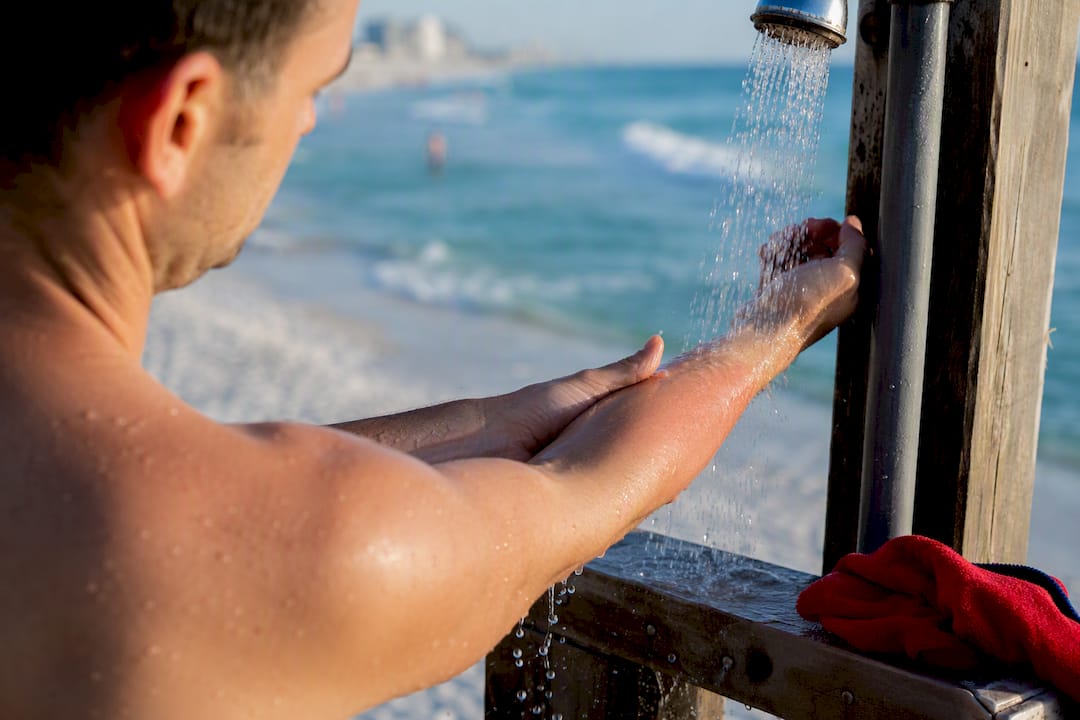
If you got a prickling or itchy rash after swimming in the Gulf, it’s most likely seabather’s eruption, commonly called “sea lice.” Remove your swimsuit before showering, rinse with salt water if you can, and move straight to the first aid steps below. Seek urgent care for high fever, trouble breathing, or a rash that’s spreading fast.
TL;DR:
Sea lice outbreaks in Florida Gulf waters peak during late spring and early summer, especially from April to July, when warm water and onshore currents bring larvae closer to shore.
The rash typically appears within minutes to hours after swimming, with symptoms such as intensely itchy red bumps mainly along swimsuit lines and friction points, lasting up to two weeks in rare cases.
Immediate first aid includes removing the swimsuit before rinsing with salt water or hot water, avoiding scrubbing, and taking antihistamines and topical treatments to reduce itch and inflammation.
Prevention relies on checking beach flags for marine hazards, avoiding loose swimwear, limiting water time during active bloom periods, and rinsing quickly after swimming in peak season.
If symptoms worsen with high fever, spreading swelling, or signs of infection, seeking urgent medical care is essential for proper steroid treatment and infection management.
Table of Contents
What Causes Sea Lice in Florida Gulf Waters
Nothing is actually biting you. The itchy rash people call sea lice comes from tiny larval stingers, not insects or lice at all, and that mismatch trips up almost everyone the first time it happens.
Seabather’s eruption is a skin reaction to nematocyst toxins released by thimble jellyfish larvae (Linuche unguiculata) and certain sea anemones like Edwardsiella lineata. These larvae drift in Gulf currents, get trapped against your skin by your swimsuit, and fire their stinging cells when pressure, friction, or fresh water sets them off. It’s an allergic reaction to toxin, not a bite and not a parasite.
A few things drive when and where it shows up:
Season: Florida Gulf outbreaks run mainly during the warmer months, peaking in late spring and early summer.
Weather drivers: Onshore winds and shifting currents push larvae swarms closer to shore.
Repeat exposure: People stung before often react faster and harder the next time because the immune system stays primed.
That last point matters. If last summer’s rash was mild, this year’s might not be.
Sea Lice Symptoms and How Long the Rash Lasts
The first clue usually arrives while you’re still in the water: a prickling or stinging sensation, especially under your swimsuit or where fabric presses skin. Most people brush it off as sand or a stray current.
The real rash shows up later, sometimes within minutes, sometimes not for several hours. Expect intensely itchy red bumps or blotches concentrated in swimsuit lines, underarms, and other friction points, since that’s exactly where larvae get pinned against skin.
Itchy red macules or raised bumps in a swimsuit distribution pattern
Possible fever, chills, headache, or nausea, more common in children than adults
Onset delayed anywhere from minutes to several hours after leaving the water
Most cases clear up in 2 to 4 days, though the rash can occasionally linger up to two weeks. Kids tend to get hit harder with the whole-body symptoms, likely because more surface area sits under wet fabric relative to their size.
First Aid for Sea Lice: What to Do Right Now
The single biggest mistake people make is jumping straight into a regular shower with the swimsuit still on. Fresh water can trigger stingers still clinging to fabric and skin, which is exactly backwards from what you want.
Follow this order:
Take off the swimsuit before you rinse anything. Do this away from other bathers if you can, since larvae can transfer.
Rinse with salt water first if it’s available, then move to a hot shower. Cleveland Clinic’s guidance backs salt water over fresh water for that first pass.
Wash gently. No scrubbing, no aggressive toweling. Friction on skin or fabric can fire off stingers that haven’t discharged yet.
Take an oral antihistamine like diphenhydramine or loratadine to cut the itch and any hive-like swelling.
Apply topical relief. Calamine lotion or 1% hydrocortisone cream calms the rash for most mild to moderate cases.
Launder the swimsuit in hot water and dry on high heat. For a bad outbreak, just toss the suit. It’s cheaper than a second round of stings.
Pro Tip: A dilute vinegar rinse (kitchen-strength acetic acid) can inactivate stingers that haven’t fired yet, which is why some lifeguard stations keep a spray bottle handy during outbreak weeks.
If the rash isn’t easing after a few days of home care, that’s your cue for a prescription-strength steroid instead of pushing harder on the drugstore version.
How to Avoid Sea Lice on Florida Gulf Beaches
Prevention here is mostly about timing and paying attention to signals other people already put up for you. Sea lice season in Florida runs March through August, peaking April through July, so a July trip to the Panhandle carries real odds of an outbreak somewhere along the coast.
Check the flags before you swim. Purple flags on Florida beaches signal hazardous marine life, sea lice included, and Bay County posts current flag status for its beaches.
Skip loose, porous swimwear. Baggy trunks and mesh-lined suits trap more larvae against skin than snug, smooth fabric does.
Limit time in the water during peak weeks if local reports mention an active bloom.
Know where the showers are. Quick access to a rinse station means less time larvae spend against your skin after you get out.
Our beach flag guide breaks down what every flag color means locally, worth a bookmark before any Gulf trip.
When Sea Lice Symptoms Need a Doctor
Most seabather’s eruption clears with home care, but a handful of warning signs mean it’s time to stop treating this yourself.
High fever, difficulty breathing, or fainting
Swelling that’s spreading fast or affecting the face and throat
Signs of skin infection: pus, spreading redness, or increasing pain days after the rash started, often from scratching
If any of those show up, a clinician will likely reach for topical or oral steroids, and in severe allergic cases, follow anaphylaxis protocols. Secondary infections from scratched, broken skin get straightforward wound care and sometimes antibiotics.
Before you go in, snap a photo of the rash, jot down roughly when you were in the water, and note when you removed and washed the swimsuit. That timeline helps a doctor rule out other causes fast. For related stinger issues, our jellyfish sting guide covers a related but distinct hazard worth knowing apart from sea lice.
A Local Guide’s Take on Sea Lice Season
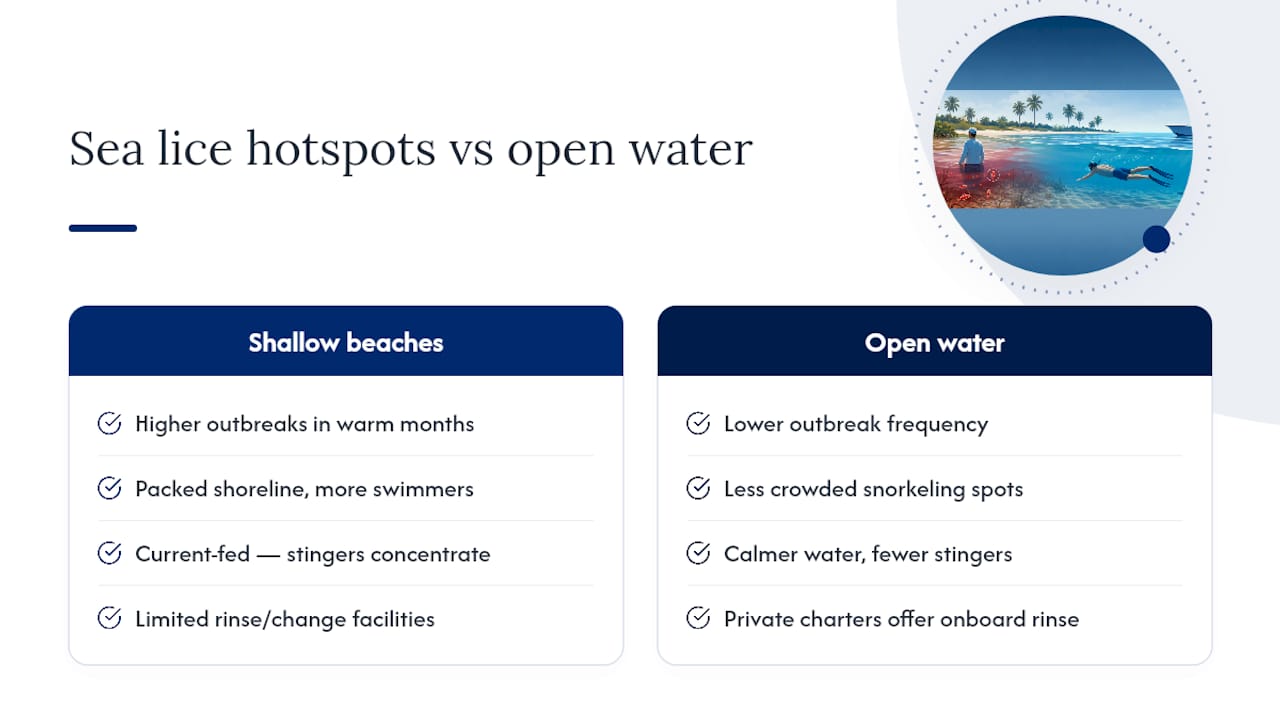
Guides working Panama City Beach waters year-round notice the same pattern the data shows: outbreaks cluster in warmer months and tend to hit shallow, current-fed areas near popular swim beaches harder than open water further out. That’s part of why our tours favor calmer, less crowded snorkeling spots over the packed shoreline everyone else swims.
Private charters also solve a smaller but real problem: nowhere to rinse off fast. Guests changing on board, rather than fighting for a public shower stall, cuts down the time a stinger sits against skin. Our marine life guide covers more of what shares these waters with you.
— Justin
Why a Private Gulf Tour Beats Crowded Shoreline Swimming
Public beaches during sea lice season put you in exactly the wrong spot: shallow, current-fed water packed with swimmers, minimal shower access, and no control over where the crowd puts you. Pcbprestige takes a different route entirely.

Every trip is a fully private charter on a 26-foot boat with a bathroom on board, run by a licensed local captain who knows which pockets of Shell Island are calm, clear, and away from the densest shoreline traffic. Snorkel gear is included, dolphin viewing follows ethical wildlife practices, and your group changes and rinses on the boat instead of racing for a public shower stall. Families and adults seeking more control over their exposure to marine irritants may benefit from private charters compared to crowded public beaches.
Ready to plan a lower-hassle day on the water? Book your private tour or browse the private dolphin and snorkeling options to pick the trip length that fits your group. If you’re traveling with young kids, our charter partner’s tips on preventing seasickness in children are worth a read before booking any boat trip.
Sources
This article is general information, not a substitute for advice from a qualified doctor. Consult a qualified healthcare professional about your own circumstances before acting on anything here.
FAQ
Are Sea Lice Common in Florida?
Yes. Seabather’s eruption is reported regularly along Florida’s Gulf coast and the wider southeastern U.S. between roughly May and August, with local outbreaks tied to warm water and onshore currents.
Can You Feel Sea Lice Biting You?
You’ll often feel a prickling or stinging sensation while still in the water, but that’s nematocyst toxin firing, not an actual bite. The visible rash typically shows up later, from minutes to several hours afterward.
Will Benadryl Help With Sea Lice?
Yes, oral antihistamines like diphenhydramine (the active ingredient in Benadryl) or loratadine reduce the itching and hive-like swelling that come with seabather’s eruption, though they don’t speed up healing of the rash itself.
What Makes Sea Lice Go Away?
Most cases resolve on their own within 2 to 4 days with basic care: removing the swimsuit before showering, a salt water or hot water rinse, topical hydrocortisone or calamine, and oral antihistamines for itch. Severe or lingering cases may need a prescription steroid from a doctor.
Recommended
Comments