Can You Wear Contact Lenses Snorkeling Safely?
- PCB Prestige

- 2 days ago
- 8 min read
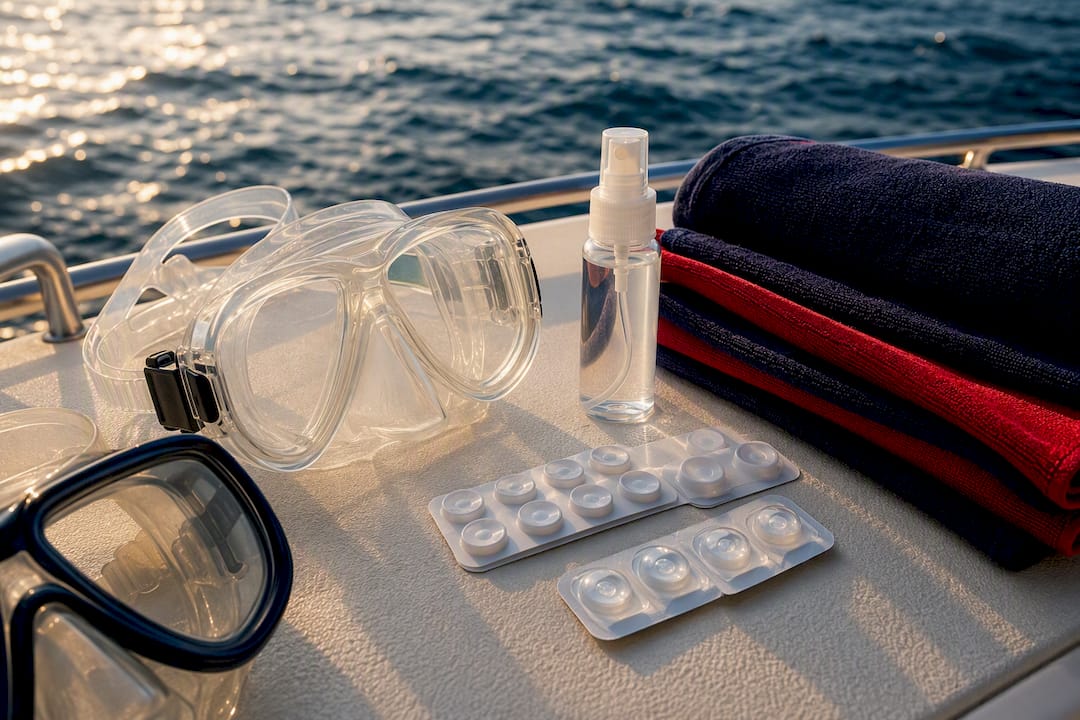
Yes, you can snorkel with contact lenses, but a prescription snorkel mask is the safer route. If you’d rather stick with lenses, soft daily disposables paired with a well-sealed mask are the next-best option, and you discard them the moment you’re done. The main risk isn’t losing a lens. It’s a rare but serious eye infection called Acanthamoeba keratitis, which develops when microorganisms in water get trapped between the lens and your cornea.
Before you book a trip, talk to your eye-care professional about your specific prescription and risk factors. Then plan around these basics:
Pack daily disposables, not monthly or two-week lenses, if you’re wearing contacts in the water
Bring at least two spare pairs plus your glasses as backup
Ask about a prescription mask if you snorkel often or have a strong prescription
Never rub your eyes underwater or ignore irritation afterward
Key Takeaways
The safest way to snorkel with vision correction is a well-sealed prescription mask, and the next-best option is soft daily disposable lenses discarded immediately after use.
Point | Details |
Prescription masks are safest | They remove contact lenses from the water equation entirely, eliminating infection risk from lens exposure. |
Daily disposables beat monthly lenses | Discard them after every snorkel session instead of trying to disinfect and reuse them. |
Mask seal matters most | A press-and-hold test before entering the water prevents flooding and reduces lens loss. |
Keep eyes closed during mask floods | Clearing a flooded mask with eyes shut and resealing before opening protects against both lens loss and contamination. |
Pcbprestige supports contact-wearing guests | Private tours provide backup masks, saline, and time for proper mask fitting that group tours typically skip. |
Table of Contents
Why Contact Lenses and Water Don’t Mix Well
Water, whether it’s the ocean, a lake, or a pool, carries microorganisms that a contact lens can trap directly against your eye. Acanthamoeba is the one eye doctors worry about most. It’s a free-living amoeba found in nearly all types of water, and when it gets caught behind a lens, it can cause a corneal infection that’s painful, slow to treat, and occasionally sight-threatening. Medical literature documents cases linking water exposure through contact lenses to exactly this kind of severe, hard-to-shake infection.
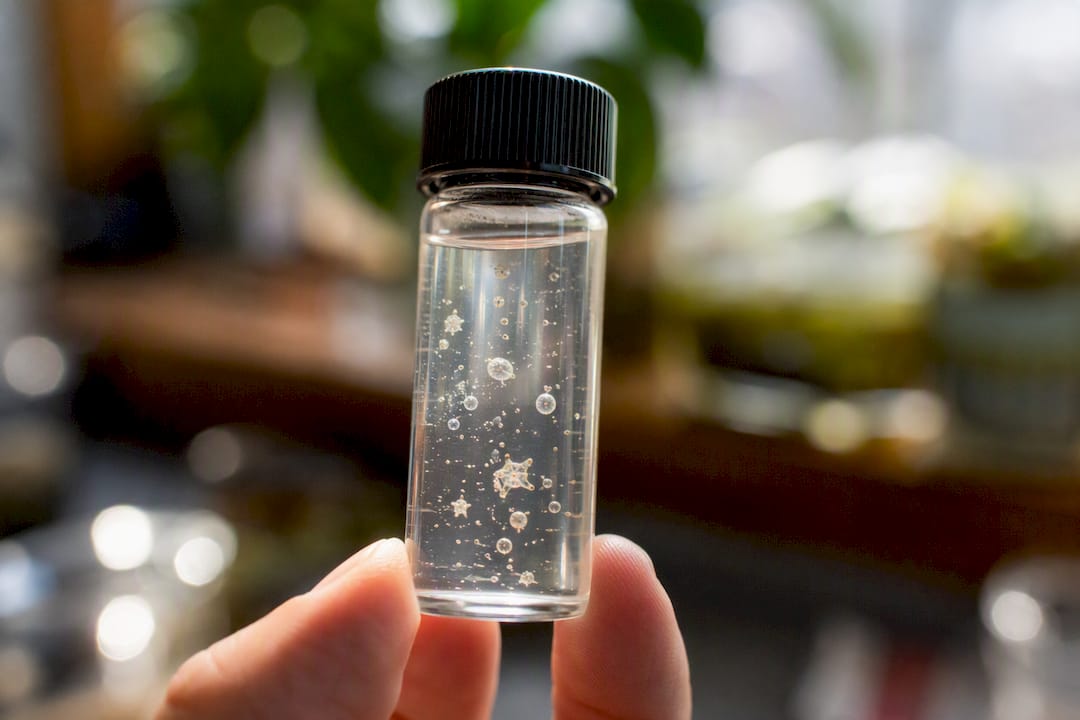
Regulatory guidance is blunt about it: health authorities generally advise against letting contacts touch any water at all, and if a lens does get submerged, the standard recommendation is to replace it rather than risk it. That’s the strict medical position, and it exists because the downside of ignoring it can mean weeks of antimicrobial eye drops or worse.
Not all water carries equal risk. Warm, still freshwater and poorly chlorinated pools tend to harbor more Acanthamoeba than clean, moving ocean water, but nothing is risk-free. Practical consequences to watch for:
Redness, pain, or blurred vision that shows up hours or days after snorkeling
A lens shifting, folding, or washing out of your eye mid-swim
Corneal abrasion, which is more common with rigid lenses under pressure changes
Which Contact Lenses to Wear (or Avoid) in the Water
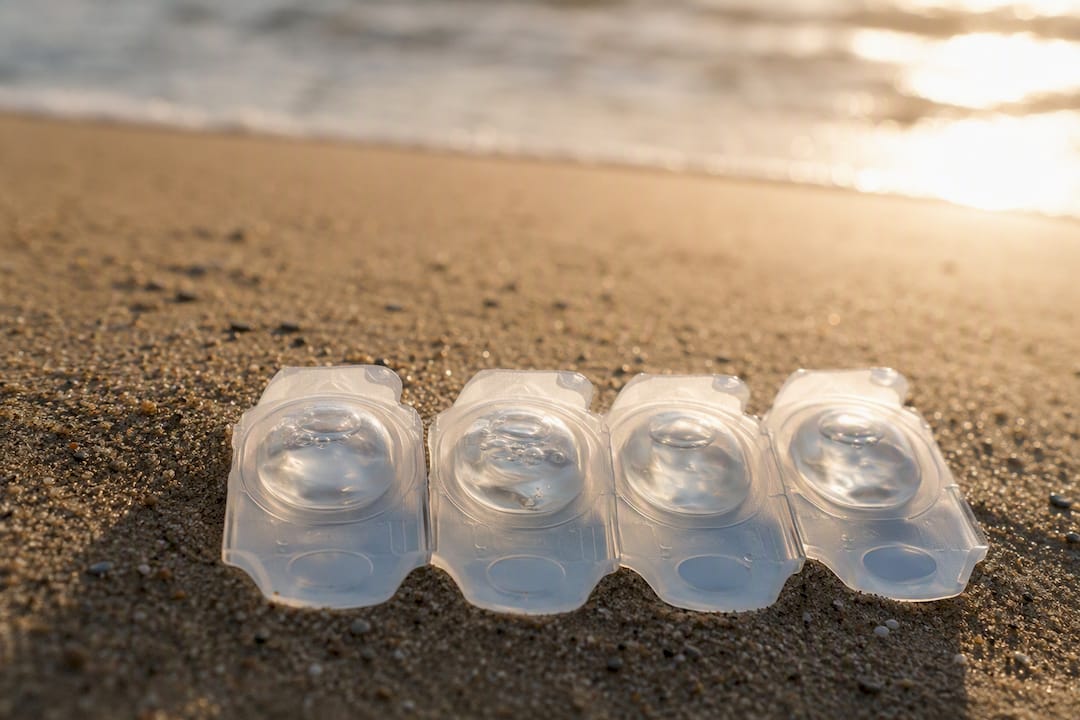
If you’re going to wear lenses at all while snorkeling, soft daily disposables are the practical choice. They’re designed to be worn once and thrown away, so there’s no disinfection step where contaminated water could linger on the lens surface. You wear them, you snorkel, you toss them. Simple.
Rigid gas-permeable (RGP) lenses are a different story, and you should leave them at home for this activity. RGP lenses can trap gas or stick to the cornea as pressure shifts underwater, which can cause real pain or even corneal damage. They’re built for stability on land, not for the pressure changes that come with diving down to check out a reef.
If you wear monthly lenses day to day, don’t just swap them back in after a swim.
Daily disposables: wear once, discard immediately after your snorkel session
Monthly or two-week lenses: if exposed to water, clean and soak them according to your eye-care provider’s instructions before wearing them again
Never “rinse and reuse” a lens that’s touched seawater without a full disinfection cycle
Pro Tip: Buy a few extra boxes of daily disposables specifically for water trips. Keeping a “snorkeling stash” separate from your everyday supply means you’re never tempted to reuse a lens you shouldn’t.
Should You Use a Prescription Mask Instead?
A prescription snorkel mask solves the whole problem by putting your correction where it belongs: in the mask, not on your eye. These masks swap the standard flat lens for one ground to your prescription, so you see clearly without any contact lens touching water at all. If you snorkel more than a couple of times a year or wear a strong prescription, this is worth the investment.
Fit matters more than most people realize, whether you’re wearing a prescription mask or a regular one over contacts. A few things to check before you get in the water:
The silicone skirt should sit flush against your skin with no gaps at the temples or under the nose
Do a press-and-hold test: press the mask to your face without the strap and inhale gently through your nose. If it stays sealed for a few seconds, the fit is good.
Facial hair, especially a mustache, breaks the seal more often than people expect
If a prescription mask isn’t in the budget yet, spectacle inserts (small corrective lenses that clip inside a standard mask) and corrective stickers are cheaper middle-ground options. Some snorkelers simply wear their glasses on the boat and switch to contacts only right before entering the water, then swap back the moment they’re out. Our guide to snorkeling with glasses covers those equipment trade-offs in more detail.
Your Before, During, and After Checklist
Getting the routine right matters more than which lens you pick. Here’s the sequence that keeps risk low from the dock to the shower.
Before you go: Talk to your eye-care professional about your plan, pack fresh daily disposables plus two spares, bring saline and rewetting drops, keep a backup pair of glasses on the boat, and wash your hands before handling any lens.
During the swim: If your mask floods, keep your eyes closed while you clear it and reseal it before opening them again. This single habit is the most effective way to avoid losing a lens or letting water sit against your eye. Avoid rubbing your eyes underwater no matter how tempting it is.
After you’re out: Discard daily disposables right away, even if you plan to snorkel again later that day. If a monthly lens was exposed, clean and soak it fully before reinserting it, rinse irritated eyes with sterile saline, and watch for redness or pain over the next 48 hours.
Pro Tip: Practice the “eyes closed, clear, reseal” mask routine on land or in a pool before your trip. Muscle memory beats panic when your mask actually floods mid-swim.
How We Support Guests Who Wear Contacts on the Water
Every private tour we run carries backup snorkel gear, including masks in a range of sizes, so a guest who shows up with a poor-fitting mask isn’t stuck. Our crew keeps saline and a basic first-aid kit on board, and because groups are small and private, there’s time to actually check a mask seal before anyone jumps in, something a crowded group tour rarely allows.
Guests can flag vision needs or request extra mask-fitting help ahead of time through our booking intake process, so the captain knows what to prepare before you’re even on the dock, ensuring a great experience at the Best Snorkeling Spots in Costa Smeralda.
A private charter means one guest’s fogged mask or contact-lens question doesn’t get lost in a group of twenty strangers. It gets handled before anyone gets wet.
Operator Perspective: Quick Rules From a Private-Tour Captain
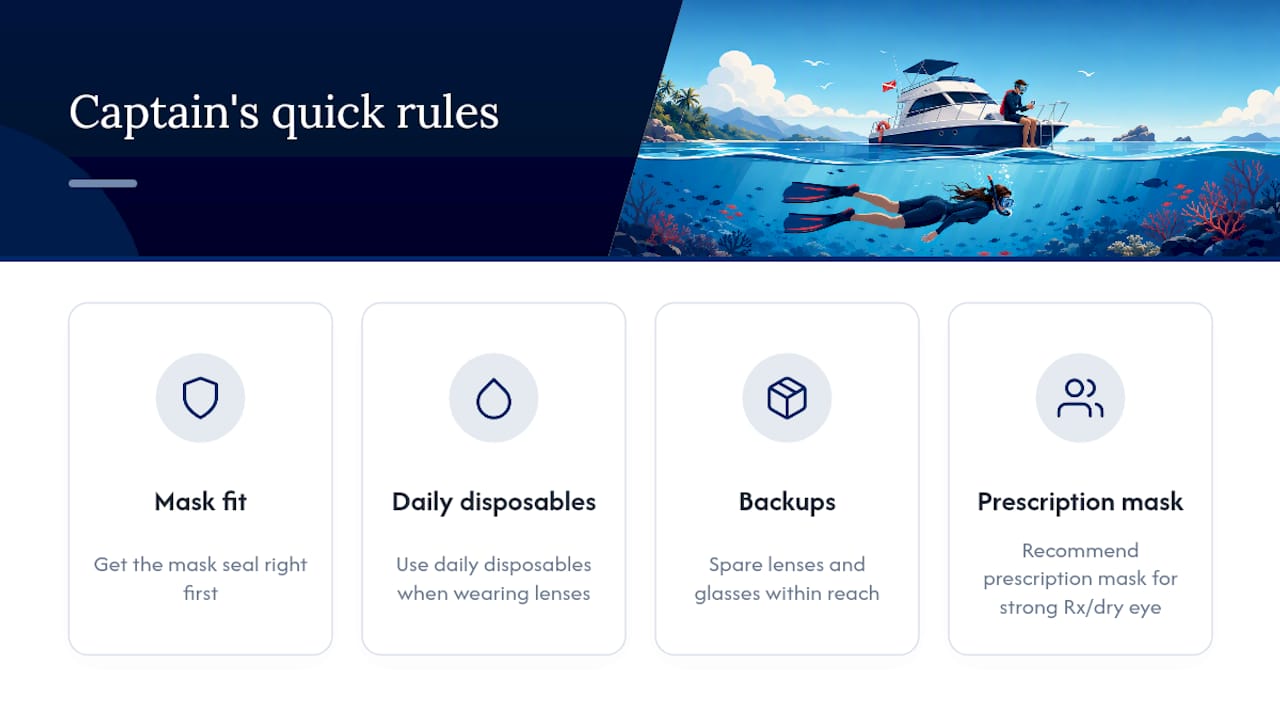
Three things I tell every guest who wears contacts: get the mask seal right first, wear daily disposables if you’re wearing lenses at all, and always have spare lenses and glasses within reach. If someone tells me they have a strong prescription or a history of dry eye, I steer them toward a prescription mask before they even book. None of this replaces an actual conversation with your eye doctor about your own eyes and history.
Book a Private Tour That Works Around Your Vision Needs
Pcbprestige is the alternative to crowded group snorkel boats for anyone wearing contacts. A packed tour boat means one crew member juggling twenty guests’ gear questions, and your mask-fit concern gets a rushed answer at best. On our private 26-foot boat, capped at six guests, the captain has time to actually check your seal before you’re in the water.

Every private trip includes snorkel equipment, mask options in different sizes, and a crew that carries backup gear, so a guest who forgot spare lenses or needs help finding a better mask fit isn’t left to figure it out alone. Before your trip, use our intake form to flag any vision needs or mask concerns so we can prepare gear ahead of time. Ready to plan your visit? Check dates and reserve your private Shell Island snorkeling tour or go straight to our booking page to lock in your spot.
Frequently Asked Questions
Can you snorkel with contacts if you only wear them occasionally? Yes, occasional wearers can snorkel with soft daily disposables as long as the mask fits well and the lenses get discarded right after the session. If you snorkel only once or twice a year, a prescription mask may not be worth the cost, so daily disposables are a reasonable middle ground.
What happens if my contact lens falls out while snorkeling? Stop, tread water calmly, and don’t try to search for it underwater. Head back to the boat or shore, rinse your eye with sterile saline if you have it, and put in a spare lens or your glasses. This is exactly why carrying backups matters.
Are soft contact lenses safer than hard lenses for snorkeling? Yes. Rigid gas-permeable lenses can shift or stick to the cornea as underwater pressure changes, causing pain or abrasion, while soft daily disposables are simply discarded after use with no reuse risk.
Do I need to see an eye doctor before a snorkeling trip? It’s worth a quick conversation, especially if you have a strong prescription, dry eye, or any history of eye infections. Your eye-care professional can tell you whether daily disposables are appropriate for your eyes or whether a prescription mask makes more sense.
Can I use rewetting drops while wearing contacts in the water? Yes, lubricating or rewetting drops made for contact lens wearers are fine to use before and after snorkeling to ease dryness from salt water and wind. Avoid using them as a substitute for discarding a lens that’s been exposed to water; drops manage comfort, not contamination.
Prescription Snorkel Masks vs Contact Lenses: What the Numbers Actually Say
If you found this article searching for “contact lenses snorkeling,” you already know the short answer: yes, you can, but a prescription mask beats contacts on every safety metric that matters. What you might not know is why the gap is bigger than most guides admit, and where the real trade-offs sit.
Additional Insight for Frequent Snorkelers
For anyone snorkeling more than a handful of trips per year, the math tips firmly toward investing in a proper prescription mask rather than repeatedly buying daily disposables and accepting incremental risk each time. A one-time equipment cost replaces an ongoing decision you have to get right every single trip, and it removes the variable of a rushed mask-fit check on a crowded charter.
This doesn’t mean daily disposables are a bad choice. It means the calculation changes with frequency, and it’s worth revisiting your setup if snorkeling becomes a regular part of your travel rather than a once-a-year vacation activity.
This article is general information, not a substitute for advice from a qualified doctor. Consult a qualified healthcare professional about your own circumstances before acting on anything here.
Sources
Recommended
Comments