Is a Private Dolphin Tour Safe for Kids in Panama City Beach?
- PCB Prestige
- 1 hour ago
- 12 min read
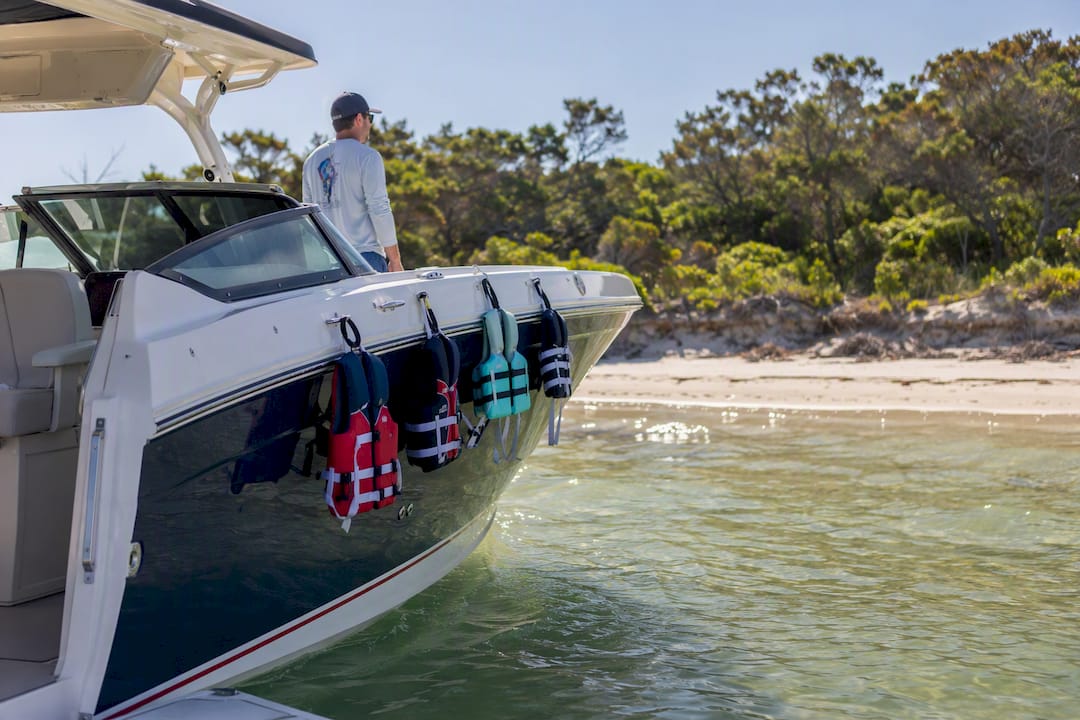
A family can safely book a private dolphin or snorkeling tour in Panama City Beach when the operator follows NOAA marine-life viewing guidelines and standard vessel safety practices. That’s the short answer. Family safety in Panama City Beach on the water depends less on luck and more on whether you’ve confirmed a few specific things before you ever step onto the dock.
Before you book anything, run through three checks with guidance from Yacht Charter Guides – Exotica Charters:
Life jackets sized for kids — not just adult vests stacked in a bin.
A licensed captain who can name their credentials without hesitating.
A small, private group — a small group of guests, not a packed pontoon of strangers.
PCB Prestige, a Panama City Beach operator running private charters for families, builds its entire trip structure around these three points. The rest of this guide walks through why each one matters and what else you should ask.
Key Takeaways
A private, captain-guided tour that follows NOAA’s 50-yard dolphin buffer and carries properly sized child life jackets is the safest way for families to experience Panama City Beach’s marine life.
Point | Details |
Verify the captain | Confirm licensing, safety equipment (VHF, GPS, first aid kit), and experience with children before booking. |
Check life jacket sizing | Ask for child-specific Type III PFDs, not adult vests, especially for toddlers. |
Keep groups small | Six or fewer guests lets the crew supervise every child individually in and out of the water. |
Confirm wildlife policy | A no-chase, no-feed, 50-yard approach policy aligns with federal marine mammal protections. |
PCB Prestige fits the checklist | Private 26-foot powerboat, onboard bathroom, licensed captain, and ethical dolphin viewing built into every family charter. |
Table of Contents
Safety Tips for Families Booking a Panama City Tour
Before you hand over a deposit, get specific answers. A good operator won’t flinch at these questions, and a great one will have already sent you the answers in a confirmation email.
Here’s what to verify:
Wildlife approach policy. Ask directly whether the crew follows the NOAA 50-yard buffer for dolphins and never chases or feeds them. Feeding or harassing dolphins violates the Marine Mammal Protection Act, and an operator who doesn’t know that shouldn’t be near your kids or the animals.
Captain credentials and equipment. A licensed captain should carry a VHF radio, GPS, a stocked first aid kit, a fire extinguisher, and a working bilge pump, on top of life jackets in every size your family needs.
Group size and supervision. Ask how many passengers will be aboard. A small group size means the captain can actually watch every kid in the water, not just the loudest one.
Onboard comfort. A bathroom, shaded seating, and a dry, secure spot for medications or an EpiPen all reduce the small crises that turn a good trip stressful.
Snorkel site selection. Ask how the crew picks a spot. The right answer involves current, depth, and visibility that day, not “wherever the other boats are.”
Pro Tip: Ask for the safety brief in writing before you board. If an operator can’t summarize their life-jacket policy and wildlife-approach rules in two sentences over email, that’s a signal worth noting.
Private charters solve a problem large group tours can’t: a crew watching 20 strangers’ kids is a crew that’s watching no one closely enough.
What a Private PCB Prestige Tour Looks Like in Practice
PCB Prestige runs its trips on a 26-foot powerboat with an onboard bathroom and shaded seating, both of which matter more than they sound. A toddler who needs a diaper change or a break from the sun isn’t stuck waiting for a dock.
Every trip starts with a safety briefing and a life jacket fitting before the boat leaves the marina. The captain sets the pace from there:
Passive observation only, no pursuit of dolphins
No feeding, touching, or repositioning the boat to force an encounter
Site selection based on current conditions, not a fixed route
A private, small-group charter gives the captain room to choose calmer water, watch each child individually, and back off the moment a dolphin shows any sign of stress. That combination protects both the family and the animal.
The private-charter format itself is what makes the rest of the safety checklist achievable. A crowded group boat can follow every NOAA rule on paper and still miss a kid slipping too far from the group.
Is Snorkeling Safe for Kids Near Shell Island?
Yes, when the operator chooses the site with children in mind. Shell Island has pockets of calm, shallow water protected from open-Gulf current, and that’s exactly where a good captain anchors for a family group. A snorkel site chosen for adventurous adults is not the same site you want for a seven-year-old.
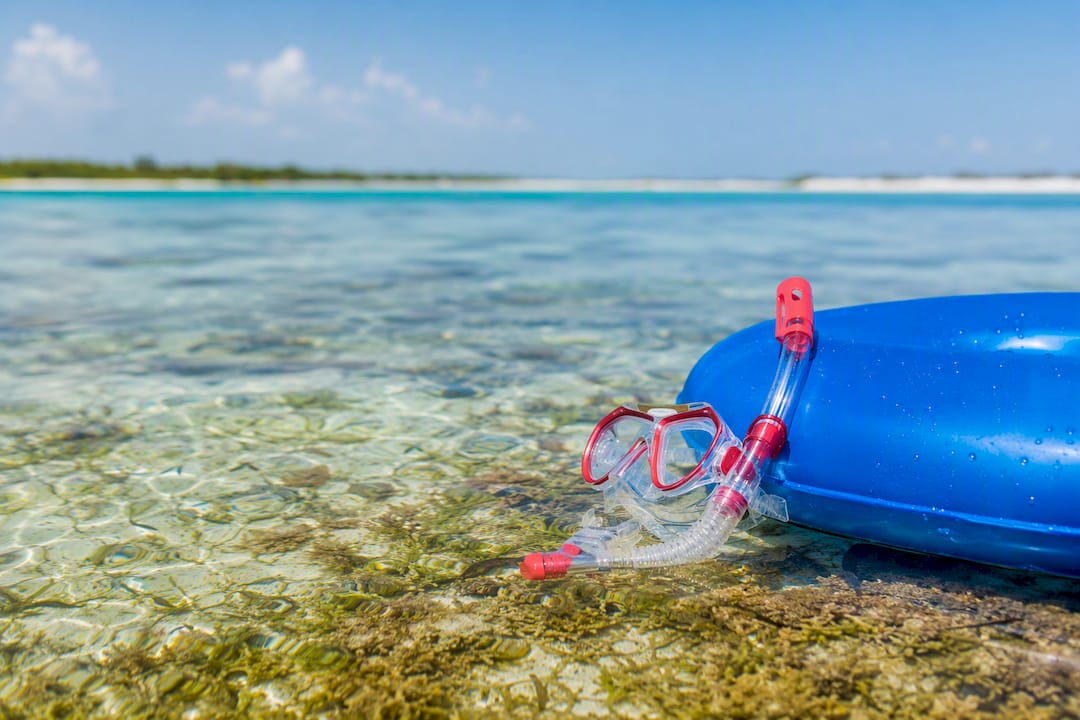
Gear fit matters more than most parents expect. A mask that leaks makes kids panic, not swim, so ask whether the operator carries multiple sizes and takes the time to test the seal before anyone gets in the water. A snorkel vest or noodle works for kids not yet confident swimming; nobody should feel pressured into open water if they’re not ready. Staying on the boat or wading at the transom is always an option.
In the water, expect two layers of supervision: the buddy system between family members, plus a crew member actively watching from the boat. Operators managing this well steer clear of stingray flats, keep the group inside a marked calm zone, and give clear entry and exit instructions using the boat’s ladder rather than a jump.
Pro Tip: Do a “test float” in the shallow water right next to the boat before swimming out. It takes 30 seconds and tells you immediately whether a child’s mask fits and whether they’re comfortable before you’re 50 feet from the hull.
How Should Life Jackets and Sun Safety Work for Different Ages?
Life jacket rules aren’t one-size-fits-all, literally. A Type III PFD sized for a 40-pound toddler looks nothing like one built for a 90-pound preteen, and a properly fitted operator carries both.
In transit: life jackets stay on, no exceptions, for young kids while the boat is moving.
Toddlers: secure seating, limited unsupervised deck time, and a plan for diaper changes using the onboard bathroom.
Older kids: a quick check of swim comfort before anyone jumps in, with flotation available even for strong swimmers, plus short supervised swim windows rather than open-ended time in the water.
Sun and hydration: reapply sunscreen every couple of hours, bring a water bottle for every child, and let the captain know about any medications before departure.
None of this is complicated. It just has to actually happen, every trip, not just the ones where a parent thinks to ask.
What Questions Should You Ask Before Booking?
Ten questions separate a well-run operator from one you should skip:
Is the captain licensed, and how much experience do they have with young children aboard?
How many life jackets do you carry, and in what sizes?
Is there a bathroom onboard?
What’s the maximum group size for this tour?
Do you follow NOAA’s approach guidelines or hold Dolphin SMART recognition?
How do you choose the snorkeling site each day?
What’s your emergency procedure if someone gets hurt or sick?
What communication equipment is aboard in case of an emergency?
What’s your weather and cancellation policy?
Can I note food allergies or seasickness history before we board?
That last question matters more than it looks. An operator who has a real intake process, not a verbal “sure, tell the captain,” is one that’s actually planning for your family instead of just filling a seat.
How Do Operators Handle Emergencies and Seasickness?
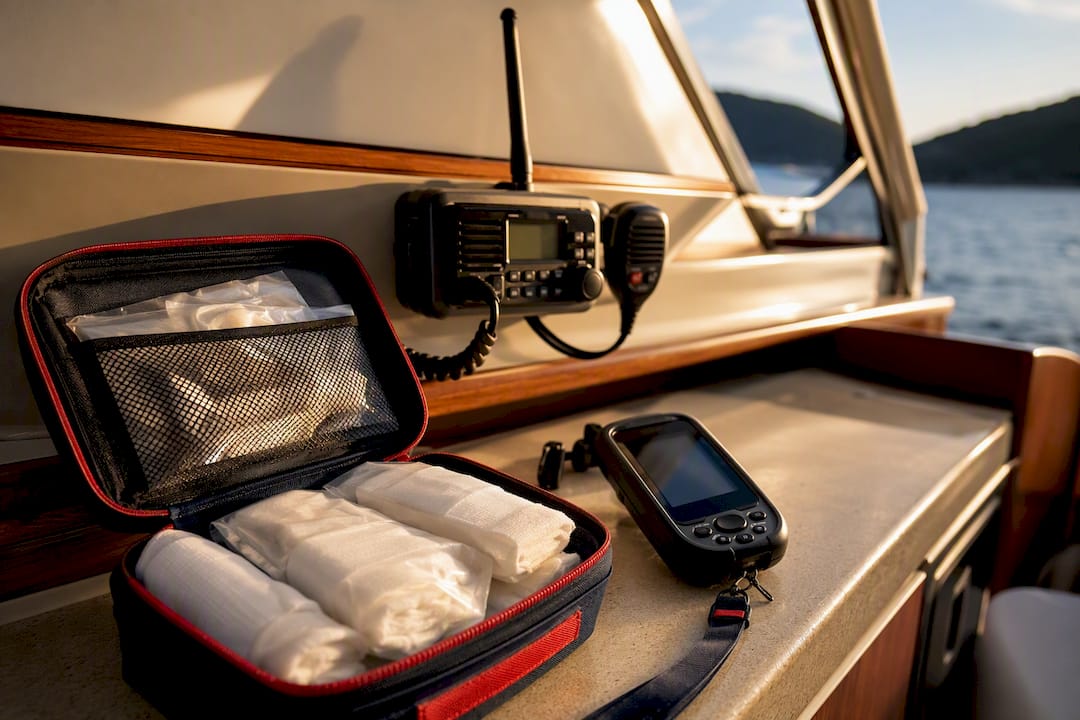
A properly equipped boat carries a first aid kit, VHF radio, cell backup, and GPS, and the captain should know the nearest safe harbor before the engine even starts. CPR training for the captain is standard on a well-run operation, not an extra.
Seasickness hits kids differently than adults, and prevention beats treatment. Talk to your pediatrician before departure if you’re considering motion-sickness medication for a young child. Ginger chews and acupressure bands are common lower-risk options, and seating near the front of the boat with steady airflow tends to help more than staring at a phone screen below deck.
Pro Tip: Book a morning trip if seasickness is a concern. Winds and chop typically build through the afternoon on the Gulf Coast, so an early departure usually means calmer water.
A captain who’s handled sudden weather shifts before will already have a plan to head back or reroute, not figure it out mid trip.
What Should You Pack the Morning of Your Tour?
Keep it simple and you’ll spend less time scrambling at the dock:
Booking confirmation and a written list of allergies or medications.
Reef-safe sunscreen, hats, and sunglasses for everyone.
Snacks, water, and a change of clothes per kid.
Swim diapers if you have a toddler in the water.
Optionally, your own child’s life jacket if that gives you more peace of mind than a rental.
Arrive 15 minutes early, use the restroom before boarding, and let the captain walk your family through the safety briefing without rushing it.
How Dangerous Are Rip Currents and Jellyfish at Panama City Beach?
Rip currents are the single biggest water hazard on this stretch of the Gulf Coast, capable of pulling even strong swimmers away from shore fast. The beach uses a flag warning system, and checking it before anyone wades in should be automatic, the same way you’d check a forecast before a road trip. Jellyfish, particularly during warmer months, show up in patches that are easy to miss until someone’s stung.
None of this changes much once you’re aboard a private charter, and that’s precisely the point. A boat headed to Shell Island or open water for dolphin viewing bypasses the surf zone where rip currents form, and a captain who knows local conditions won’t anchor a snorkel stop where jellyfish have been reported that week. Ask before you book whether the crew checks daily conditions, not just weather.
If your trip includes beach time before or after the boat portion, treat the flag system as a hard rule for kids, not a suggestion. Purple flags mean jellyfish or other marine pests are active; double red means the water is closed, no exceptions. Teach kids early that a lifeguard’s whistle means stop immediately, and keep young or inexperienced swimmers within arm’s reach in any open surf, even on a calm-looking day. Panama City Beach’s Gulf side can look glassy at the surface while a current runs hard just beneath it.
Where Can Kids Play Safely on the Sand?
The stretch of beach near St. Andrews State Park tends to work well for families because it includes a partially enclosed swim area shielded from the open Gulf, which cuts down on both current and wave strength. That kind of natural buffer matters more for toddlers and weaker swimmers than any amount of parental vigilance alone.
Look for beach access points with lifeguard coverage during peak season, and set up your home base within easy sightline of the water rather than behind a dune or a crowd of other umbrellas. A few practical habits make a bigger difference than expensive gear:
Set a visible landmark (a colored umbrella, a specific lifeguard tower) as your family’s meeting point.
Keep toddlers in a shaded play zone rather than directly on hot sand during peak afternoon hours.
Bring your own pop-up shade tent if you’re heading to a stretch without natural tree cover or a pavilion.
Shaded picnic spots are limited directly on the beach itself, so many families bring a tent or head to the tree-lined areas at St. Andrews State Park for lunch breaks. That midday retreat from direct sun also happens to be smart heat management, since Panama City Beach’s peak UV hours run roughly late morning through mid-afternoon.
How Do You Childproof a Beach Rental for Toddlers?
Vacation rentals near the beach are built for tourists, not toddlers, and that gap shows up fast once you unpack. Balcony railings on beachfront condos often have wider gaps than a home nursery would allow, so check spacing before you let a toddler near that space unsupervised.
Walk the unit on arrival with a few specific risks in mind: unsecured pool gates, stairs without a barrier, and cleaning supplies stored at counter height instead of locked away. Sliding glass doors leading to balconies or patios are common in Gulf-front units, and a determined two-year-old finds them fast. A rubber door stop or portable lock, packed in your own bag, solves a problem most rentals won’t have solved for you.
Ask your host or property manager directly whether the unit has ever been childproofed, and don’t assume “family-friendly” listing language means baby gates are included. Bring your own outlet covers and a portable stair gate if your rental has multiple levels open to a toddler. It takes five minutes to pack and saves a genuinely stressful moment on day one of vacation.
How Do You Prevent Heat Exhaustion in Kids at the Beach?
Kids overheat faster than adults because their bodies regulate temperature less efficiently, and dehydration can creep up well before a child complains of thirst. The fix is scheduling, not just water bottles.
Push heavy outdoor activity, boat trips included, toward morning or late afternoon when possible, and treat the window from roughly 10 AM to 3 PM as a time to seek shade rather than push through it. Offer water on a schedule rather than waiting for a request, every 20 to 30 minutes during active play is a reasonable rhythm for young kids.
Watch for early warning signs: flushed skin, unusual crankiness, or a child who suddenly stops sweating despite the heat. Any of those means it’s time for shade, water, and a break, not a “just five more minutes.” A wet towel around the neck and a shaded rest area can bring a kid’s temperature down faster than you’d expect, often within 15 or 20 minutes.
Where Is Emergency Care Located Near Panama City Beach?
Know before you need it. Ascension Sacred Heart Emergency Room Panama City Beach and Bay Medical Sacred Heart in Panama City both handle emergency care for visitors, and either is a reasonable first stop for anything beyond a minor scrape. For urgent but non-life-threatening issues, several urgent care clinics operate along Front Beach Road and Thomas Drive with shorter wait times than a full ER visit.
For anything serious, from a water rescue to a severe allergic reaction, call 911 immediately rather than trying to drive to a facility yourself. Save the nearest urgent care’s address in your phone before you head out for the day, not after something happens. A few minutes of prep on arrival day means you’re not searching for directions during an actual emergency.
Why Private Tours Are Often the Safer Family Choice
Smaller groups let a captain actually watch every kid, not just count heads. I’ve seen how a private charter’s flexibility, choosing a calmer cove, backing off a dolphin sighting sooner, changes outcomes for both families and wildlife.
How PCB Prestige Checks Every Box on This List
Everything covered above, the licensed captain, the child-sized life jackets, the small group cap, the NOAA-aligned approach to wildlife, is how PCB Prestige runs every trip. The 26-foot powerboat carries a bathroom onboard, shaded seating, and a maximum of six guests, so your family isn’t sharing the deck, or the captain’s attention, with strangers.
Trips are built around ethical, passive wildlife viewing rather than chasing an encounter, and every itinerary flexes around your family’s pace, not a fixed script. If you’re weighing a private dolphin tour against a bigger group excursion, the 3-hour private tour for up to six guests is the version built specifically for families asking these exact safety questions. Check available dates and book your private charter online to lock in a captain who already runs the checklist this article just walked you through.
Frequently Asked Questions
Is Panama City Beach safe for families booking boat tours? Yes, when the operator follows NOAA marine-life guidelines, carries proper safety equipment, and keeps group sizes small enough for real supervision.
What’s the NOAA-recommended distance from dolphins? At least 50 yards from watercraft, with some areas recommending 100 yards; feeding or approaching dolphins can violate the Marine Mammal Protection Act.
Do private tours cost more than group tours, and is it worth it for families? Private charters typically run higher per trip since you’re not splitting the cost across strangers, but you gain closer supervision, flexible timing, and a captain focused solely on your family.
What age is appropriate for a dolphin or snorkeling tour? Most private operators welcome all ages with proper life jacket sizing; snorkeling itself works best once a child is comfortable in water and can follow basic instructions, often around age six or seven.
What should I do if my child gets seasick on the boat? Move them toward the front of the boat for fresh air, offer ginger or an acupressure band, and talk to your pediatrician in advance about any medication options.
Sources
Claims here draw on NOAA’s marine life viewing guidelines, NOAA’s viewing marine life insight page, and federal rulemaking on approach distances.
Marine life viewing guidelines | NOAA Fisheries
Recommended
Comments