Snorkeling Breathing Techniques Every Beginner Should Master
- PCB Prestige

- 1 day ago
- 10 min read
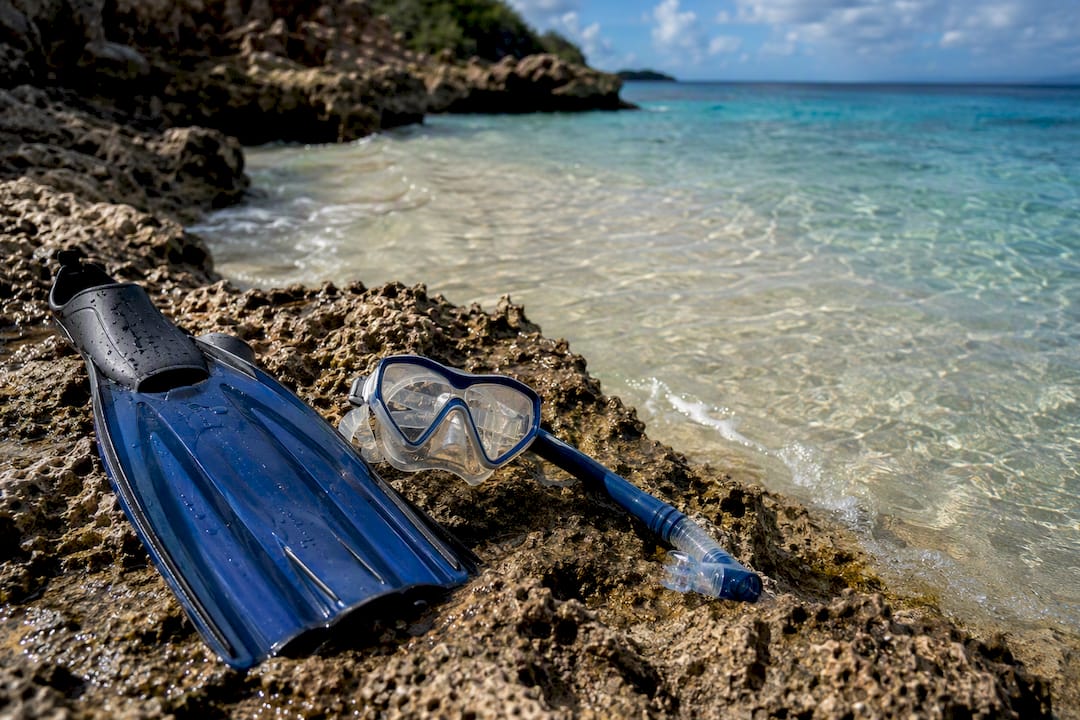
Breathe slowly and deeply through your mouth using the snorkel, and make each exhale equal to or longer than the inhale. That’s the entire technique in one sentence. If you ever feel breathless or panicked, stop kicking, float on your back, remove the snorkel from your mouth, and breathe normally until you feel calm again.
Before you head into open water, practice this in the shallows where you can stand up at any moment.
The rule: slow, deep mouth breaths through the snorkel tube, exhale longer than inhale.
The fallback: stop, float, remove snorkel, breathe normally.
The prep: rehearse in waist-deep water until it feels automatic before swimming anywhere deeper.
Key Takeaways
Slow, deep mouth breathing through the snorkel, with exhales as long as or longer than inhales, prevents the CO2 buildup that causes most beginner panic underwater.
Point | Details |
Master the core rhythm | Inhale and exhale slowly through the mouth, keeping exhales equal to or longer than inhales. |
Know the fallback | If breathless, stop, float on your back, remove the snorkel, and breathe normally until calm. |
Test gear before swimming | Check mask seal and snorkel resistance in shallow water since equipment issues cause many breathing struggles. |
Rehearse before open water | Practice the dry-land diaphragmatic drill and the shallow-water 10-10-10 check until it’s automatic. |
Consider coached practice | Pcbprestige’s private, small-group tours pair guided breathing coaching with calm, shallow snorkeling stops near Shell Island. |
Table of Contents
Why Slow, Deep Breathing Matters for Snorkeling
A snorkel tube adds what’s called “dead space,” extra air volume you breathe back in that’s already partly used and carries more carbon dioxide than fresh air. Shallow, quick breaths recycle that stale air faster than your body can clear it, and rising CO2, not falling oxygen, is usually what triggers the racing heart and mild panic that ends a beginner’s first snorkel trip early.
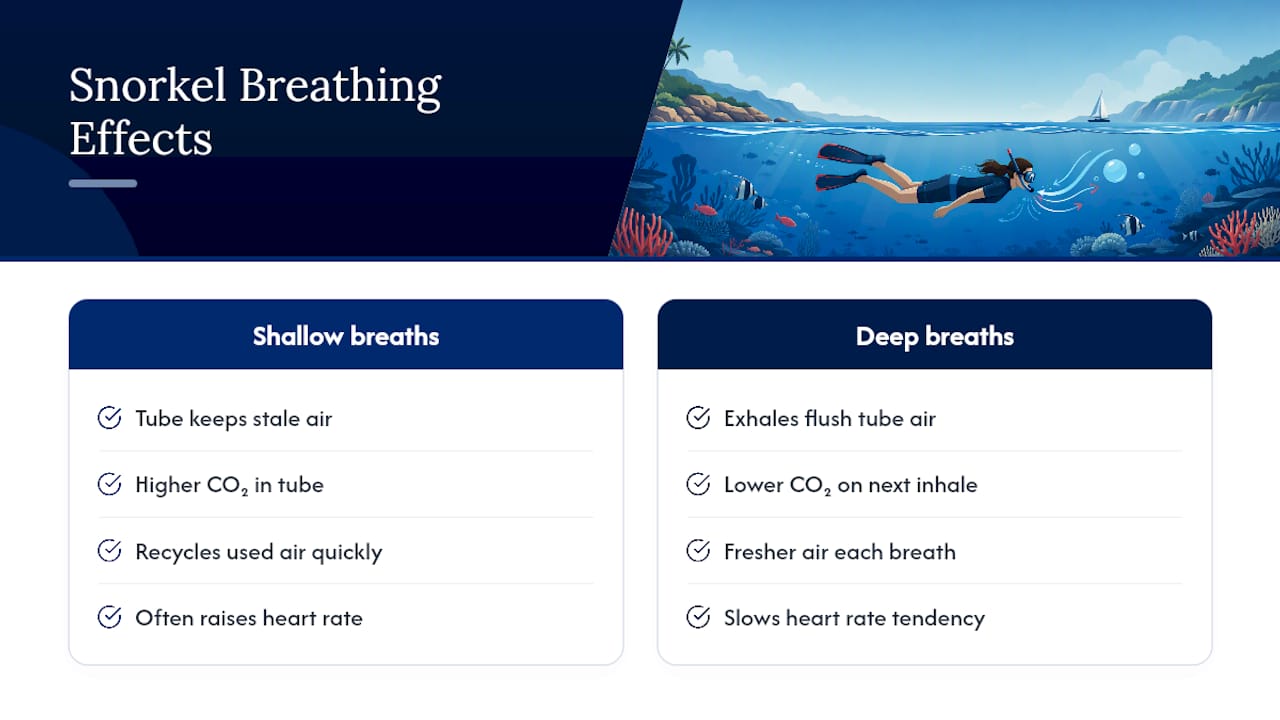
Deep exhales solve this. Pushing all the air out of the tube each time flushes the dead space and gives you a cleaner breath on the next inhale. Diaphragmatic breathing, where your belly expands instead of your chest rising, pulls more air per breath and tends to slow your heart rate compared to shallow chest breathing. Put a hand on your stomach next time you breathe normally on land. If your chest moves more than your belly, you’re breathing the way that makes snorkeling harder.
Pro Tip: Count your exhale in your head, “one, two, three, four,” and make sure it lasts at least as long as your inhale count. This single habit fixes more breathing panic than any gear upgrade.
The stakes here are real. Published safety research on snorkel airway resistance has identified breathing resistance and exertion as contributing factors in snorkel-related incidents, which is exactly why testing your gear and pacing yourself in calm, shallow water matters more than most beginners assume.
How Do You Set Up Your Gear for Effortless Breathing?
Most breathing problems start before you’re even in the water. A poorly fitted mask or a badly angled snorkel forces you to compensate with tense muscles, and tension is the enemy of calm, deep breathing.
Check your mask seal first. Press the mask lightly to your face without the strap and inhale gently through your nose. It should stick on suction alone for a few seconds. If it slips or you feel cold water trickling in along your cheekbones or mustache line, adjust the strap position or try a different mask size before you get in the water.
A snorkel that leans too far forward or backward pulls on your jaw and makes the mouthpiece feel unstable.
Clip the snorkel to the mask strap at roughly ear level so it sits naturally without you gripping it with your teeth.
Purge valves at the base of the tube make clearing water easier with less effort, though they add a small amount of bulk and one more part that can fail if not maintained.
For the mouthpiece itself, relax your jaw rather than clamping down, use a light bite on the tabs, and rest your tongue slightly raised toward the roof of your mouth. This tongue position, oddly enough, is what keeps stray water from trickling toward your throat and triggering a gag.
Pro Tip: Do a 30-second test-breathe in ankle-deep water before every outing. If breathing feels effortful even standing still, fix your setup now, not once you’re 50 feet from shore.
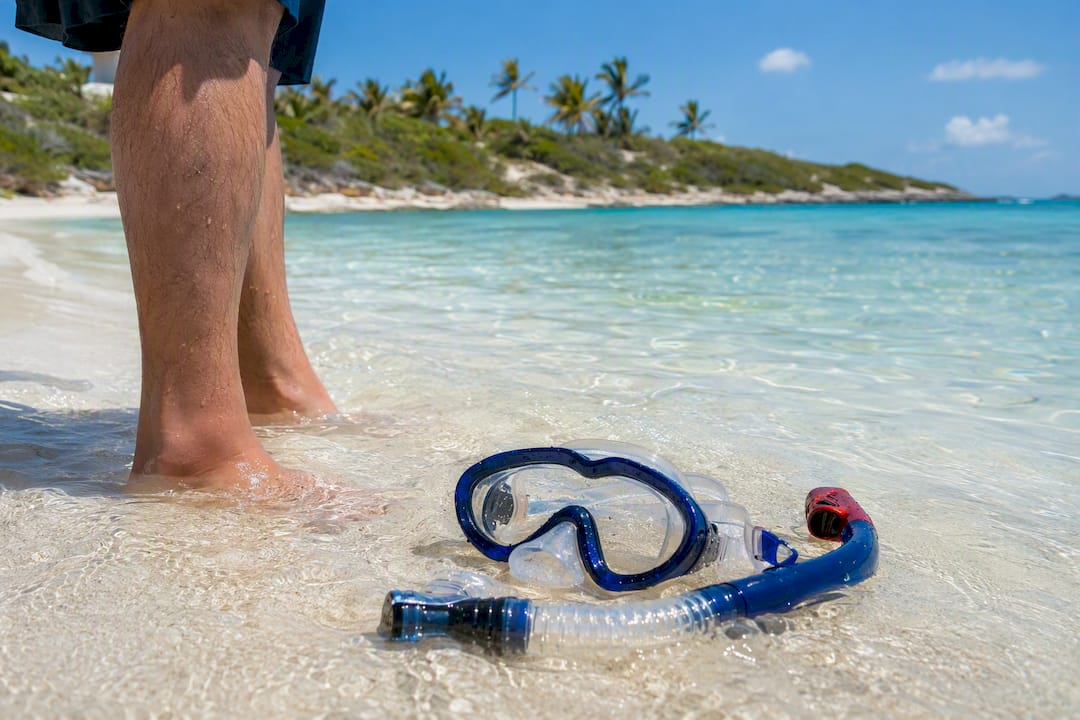
Practice Routine: Dry-Land Drills and Shallow-Water Progressions
You can build most of this skill before you ever touch salt water. The breathing habits guides at Seaview 180 recommend rehearsing on land and in shallow water specifically to train your body before conditions add stress.
Dry-land diaphragmatic drill
Sit or stand with one hand on your belly, the other on your chest.
Inhale through your nose for about 4 seconds, feeling your belly hand rise while your chest hand stays still.
Exhale through your mouth for about 6 seconds, letting your belly fall.
Repeat for two minutes daily for a week before your trip.
Shallow-water starter drill
Stand in waist-deep water and fit your mask and snorkel.
Submerge your face and take 5 slow, deliberate mouth breaths through the tube.
Stand up, remove the snorkel, and reset for a few seconds.
Repeat the sequence three or four times until it feels boring rather than stressful.
The 10-10-10 check
Take 10 calm breaths through the snorkel while standing still.
Take 10 breaths while kicking gently in place.
Hold 10 seconds motionless afterward to confirm you can reset your breathing without effort.
If you pass all three without feeling winded, you’re ready for open water.
How to Clear Your Snorkel and Recover Your Breath
Water gets into the tube eventually, whether from a wave splashing over the top or from submerging fully to look at something below. Clearing it is a two-step skill, and recovery is a separate, more important one.
Blast-clear technique:
If you’re at the surface and have air to spare, take a breath in.
Give one sharp, forceful exhale, some guides use the mental cue of shouting “TWO” into the tube, to push the water out in a single burst.
Take a normal breath afterward and confirm the airway is clear before continuing.
A purge valve at the bottom of the tube reduces how much force this takes, since water drains through the valve instead of needing to be blown entirely out the top. Without one, you’ll need a firmer exhale.
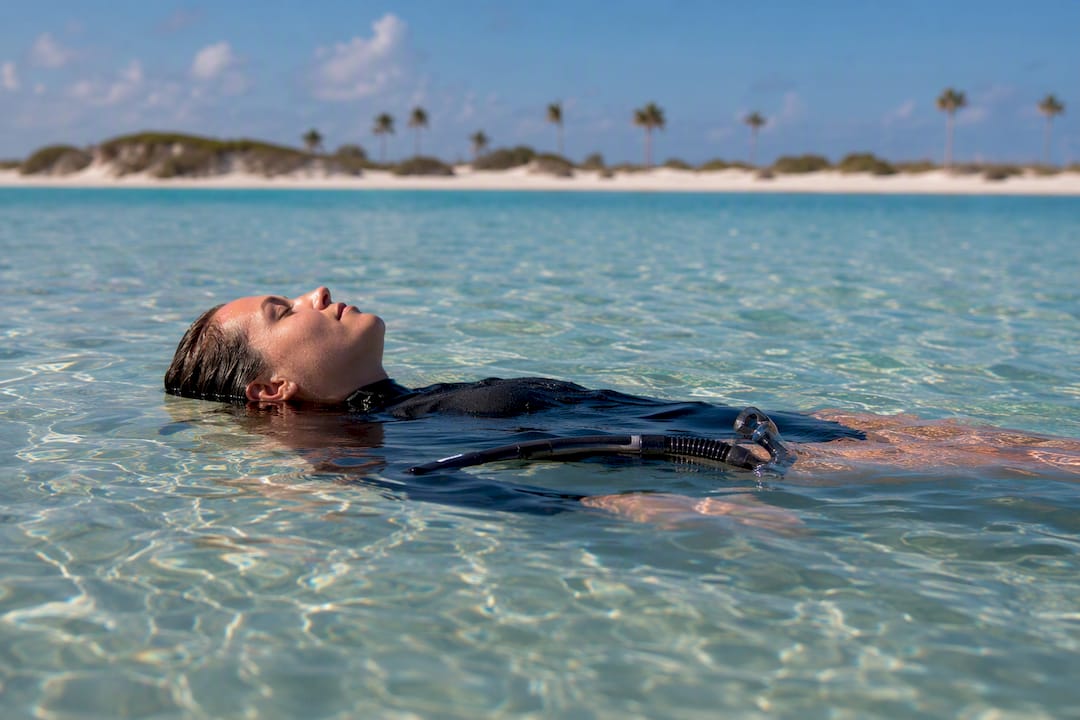
If you ever feel winded or your breathing feels ragged rather than reset after clearing, stop kicking immediately. Float on your back, take the snorkel out of your mouth, and breathe calmly through your nose and mouth until your heart rate settles. Multiple snorkel safety resources recommend this exact recovery sequence as the first response to any breathing distress, and it works because it removes every variable, the tube, the exertion, the face-down position, all at once.
Pro Tip: Practice clearing in waist-deep water until it’s boring and automatic. Never attempt an aggressive clear when you’re already tired or fighting a current, that’s when a rushed clear turns into inhaled water.
Syncing Your Breathing With Movement
Breathing and kicking work best as a paired rhythm rather than two separate tasks competing for attention. A pattern that works for most beginners: inhale over 2 to 3 gentle kicks, then exhale over the next 3 to 4 kicks. Keep the kick itself soft and originating from your hips, not your knees, since a hard flutter kick burns air faster than it needs to.
Your lungs double as a buoyancy control most beginners never think to use deliberately.
A full inhale adds lift, floating you slightly higher and farther from the reef or object you’re viewing.
A fuller exhale drops you a few inches, useful for a closer look without kicking harder or grabbing anything below.
Small, conscious breath changes let you hover near something interesting instead of drifting past it.
Resist the urge to hold your breath when something exciting swims by. Breath-holding, even briefly, disrupts the rhythm you’ve built and is exactly what triggers the CO2 buildup discussed earlier. Keep the same inhale-exhale pattern going even when you change direction or slow down to look at something.
Fixing Gagging, Hyperventilation, and Mask Leaks
Three problems account for nearly every bad first snorkel experience, and all three have quick fixes.
Gagging. Usually caused by biting the mouthpiece too hard or letting it sit too far back on your tongue. Pull the snorkel back very slightly, relax your jaw, and if it’s a persistent issue, practice biting the mouthpiece on land for a few minutes a day until your body stops treating it as foreign.
Early hyperventilation. Quick, shallow breaths that leave you feeling like you can’t get enough air, even though oxygen isn’t the problem, are the warning sign. The instant you notice it, stop, float, remove the snorkel, and breathe slowly through your nose until it passes.
Mask leaks and equipment resistance. A leaking mask forces you to breathe through discomfort, which raises your heart rate and mimics panic. If inhaling through the snorkel itself feels harder than it should, that’s a resistance problem worth testing before you commit to open water, since research on snorkel airway resistance points to equipment resistance as a real contributor to breathing difficulty, not just nerves.
Test every piece of gear in shin-deep water first.
If resistance feels effortful standing still, it will feel worse swimming.
Simpler snorkel designs generally mean less resistance than ones packed with extra features.
Safety Checklist Before You Go
A short pre-entry routine catches most problems before they become emergencies.
Do a buddy check, confirm someone is watching you and you’re watching them.
Test-breathe in waist-deep water for at least 10 breaths.
Pick a short, simple route with a clear, nearby exit point.
Exit the water immediately if you notice any of the following:
Breathlessness that doesn’t resolve after slowing your breathing.
Chest discomfort of any kind.
Dizziness or lightheadedness.
An inability to reset your breathing rhythm within a few calm breaths.
The Divers Alert Network’s safety guidance consistently stresses pre-checks and buddy systems specifically because most snorkeling incidents are preventable with a few minutes of preparation. If you have any cardio-respiratory condition, talk to a physician before snorkeling. Treat your gear as recreational equipment, not medical apparatus, and never push through breathing discomfort hoping it will pass on its own.
What Guides Notice When Coaching Beginners
Justin, who writes on snorkeling technique and safety for Pcbprestige, has spent enough time on the water to notice the same pattern over and over: nervous beginners fix their breathing the moment someone in the water with them slows down and counts breaths out loud.
Most first-timers breathe too fast in the first two minutes simply from excitement, not fear.
A guide standing or floating nearby coaching “slow it down, longer exhale” resets the whole experience faster than any amount of solo practice.
Private, paced sessions let a beginner stop, adjust, and try again without feeling like they’re holding up a group.
Guided snorkeling sessions on private tours tend to structure practice this way on purpose: short intervals in calm, shallow water before moving to anything deeper, with a coach adjusting pace in real time rather than a fixed script everyone follows regardless of comfort level.
Where Beginners Get This Wrong
The conventional advice on snorkel breathing treats it like a one-time tip, “breathe slow,” and moves on. That undersells how much this is a physical skill built through repetition, not a fact you memorize.
The bigger miss is treating gear as an afterthought. A mask that leaks slightly or a snorkel with real inhalation resistance will sabotage even perfect breathing technique, and most beginners blame themselves for panic that’s actually an equipment problem. Test your gear before you blame your lungs.
If there’s one thing worth prioritizing above all else, it’s the shallow-water rehearsal most people skip because it feels unnecessary when the beach is right there and the water looks calm. Five minutes standing in waist-deep water, breathing through the snorkel with your face down, does more for your confidence than any article, including this one. Reading about diaphragmatic breathing won’t train your diaphragm. Doing it will.
Practice This Technique With a Guide Instead of Solo
Reading through drills is one thing. Having someone in the water with you who can watch your breathing and correct it in real time is another entirely. Pcbprestige runs private, small-group snorkel trips around Panama City Beach where a licensed captain and guide walks nervous beginners through exactly the shallow-water progressions covered above, at your pace, with all snorkel gear provided and fitted before you ever leave the dock.

Because the boat is private, there’s no group of strangers watching if you need three extra minutes to get comfortable with the mouthpiece. The 3-hour private dolphin and snorkeling tour includes calm, protected snorkeling stops near Shell Island, exactly the kind of low-current, shallow water where these breathing drills work best. If you’d rather see the full range of options first, the private dolphin and snorkeling tours page lays out what each trip covers. Check available dates and book directly when you’re ready.
Frequently Asked Questions
What is the correct breathing technique for snorkeling? Breathe slowly through your mouth using the snorkel, making each exhale equal to or longer than your inhale. This flushes stale air out of the tube’s dead space and keeps carbon dioxide from building up, which is what usually causes the winded feeling beginners mistake for low oxygen.
How do you equalize your ears while snorkeling? Most snorkeling happens at the surface, so ear equalizing isn’t usually necessary unless you’re diving down a few feet to look closer at something. If you feel pressure, pinch your nose gently through the mask and blow softly, or simply swallow, and stop descending if the pressure doesn’t clear.
Why do I gag every time I put a snorkel in my mouth? Gagging usually comes from biting the mouthpiece too far back or clamping your jaw. Pull the snorkel slightly forward, relax your jaw, and practice holding the mouthpiece on land for a few minutes daily until your mouth stops treating it as unfamiliar.
What should I do if I feel like I can’t breathe while snorkeling? Stop kicking immediately, roll onto your back to float, remove the snorkel from your mouth, and breathe slowly through your nose and mouth until your heart rate settles. Never try to push through winded breathing while still face down in the water.
How can I improve my lung capacity for snorkeling? Daily diaphragmatic breathing drills, inhaling for about 4 seconds and exhaling for about 6, train your body to take fuller, calmer breaths over time. Consistency matters more than any single long session, so a few minutes daily beats one long practice before a trip.
Are hand signals important for beginner snorkelers? Yes. Simple signals, thumbs up for “okay,” a flat hand pressed down for “descending,” and crossed arms overhead for “help,” let you communicate with a buddy or guide without lifting your face out of the water, which keeps your breathing rhythm from getting interrupted.
Sources
Recommended
Comments