Snorkel St. Andrews Jetties in 20 Minutes, Panama City Beach
- PCB Prestige

- 2 days ago
- 6 min read
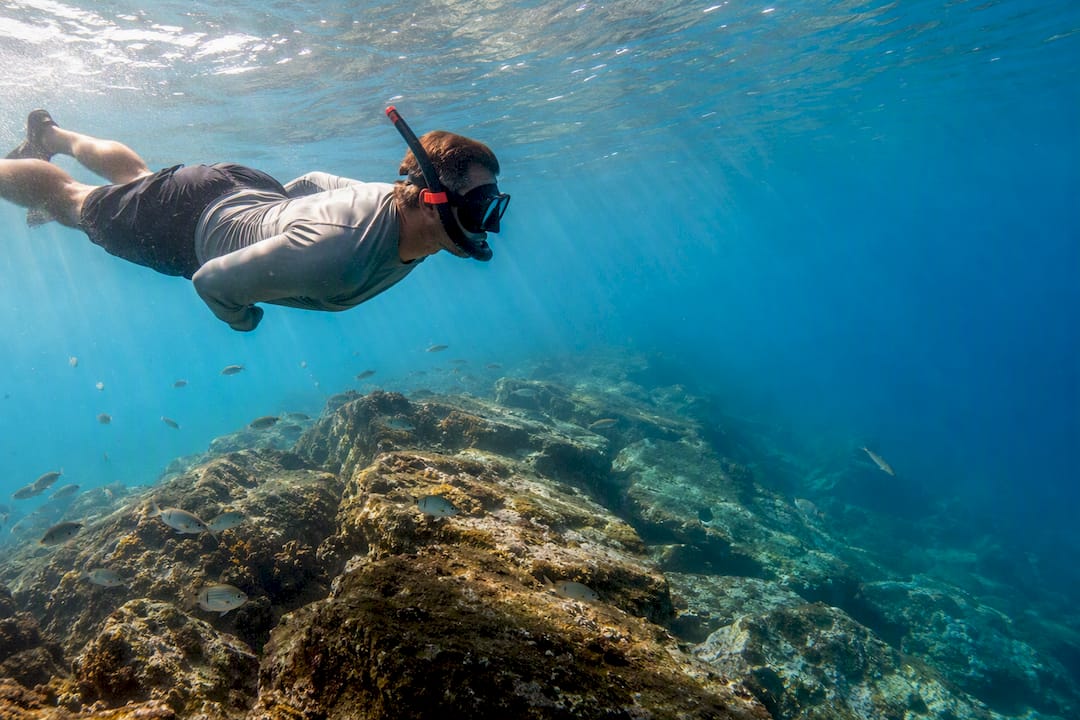
The St. Andrews jetties are one of the best shore-access snorkeling spots on the Florida Panhandle, and yes, you should go. Beginners and families do best in the calm lagoon on the park side, while confident swimmers should head to the Gulf side for clearer water and bigger fish. Expect rays, angelfish, sheepshead, and the occasional dolphin, plus a concession stand nearby for gear.
TL;DR:
The rocky jetties create an artificial reef habitat that attracts diverse marine life, including rays, octopus, and larger reef fish in deeper areas.
Calm lagoon waters are ideal for beginners and families, while the Gulf side offers clearer water and bigger fish for experienced swimmers.
Visiting during slack or incoming tides in the morning improves visibility and safety, with broader marine activity seen in shallow depths up to 20 feet.
Proper gear fit, water shoes, and tide awareness are crucial for safe, enjoyable snorkeling, with rental options available on-site.
Guided tours offer calmer waters, dolphin sightings, and expert tide reading, making them a good choice for those unfamiliar with the area or seeking convenience.
Table of Contents
Snorkeling St. Andrews Jetties: What’s Actually Down There
The rock jetty at St. Andrews State Park does something a sandy shoreline can’t. It creates crevices, ledges, and shaded pockets that fish use as shelter, feeding grounds, and nurseries, functioning as an artificial reef that draws far more species than the open beach a few hundred yards away.
On a typical outing you’ll spot:
Southern stingrays gliding over sand pockets near the rocks
Angelfish and sheepshead picking at algae in the crevices
Redfish cruising the deeper edges, especially near the channel
Octopus tucked into rock holes (usually spotted by patient, slow-moving snorkelers)
Sponges and small invertebrates coating the jetty’s underwater base
Dolphins occasionally passing through the pass, though they’re more common on boat tours than shore dives
Pro Tip: Octopus are masters of camouflage. If you’re hunting for one, scan for a slightly out-of-place texture or a single visible eye rather than expecting to see the whole animal.
The lagoon side, often called the kiddie pool, tends to hold smaller reef fish in a calmer, shallower setting. The Gulf side supports larger, more current-tolerant species. Divers who work the deeper rock sections, down to 30 to 80 feet, report grouper and bigger reef fish that snorkelers rarely see from the surface, which is a good reminder to stay in your depth range and out of dive traffic. For a broader look at what swims through this bay beyond the jetty itself, St. Andrews Bay’s marine life is worth a look before you go.
Getting to the Jetties: Parking, Entry Points, and Facilities
Access is straightforward once you know the layout. From the main parking areas near the jetty, a short boardwalk and beach path lead to both entry points: the calmer lagoon on the inside of the rock structure, and the open Gulf side just beyond it.
A few practical notes before you load up the car:
St. Andrews State Park charges a standard vehicle entrance fee, and lots near the jetty fill up fast on weekends
Restrooms and outdoor showers sit close to the jetty parking area, useful for rinsing off sand and saltwater
The Jetty Store and park concession rent masks, snorkels, and fins if you didn’t bring your own
Anglers frequently fish from the jetty rocks, so entering and exiting on the sand side away from cast lines is safer for everyone
Give fishing lines a wide berth, both out of courtesy and to avoid a hook. The rocks themselves are also sharper and more slippery than they look from the beach, which matters more than most first-time visitors expect.
Reading the Tides: When the Water Is Safe and Clear
Depth is the first thing to plan around. The lagoon side typically runs 3 to 10 feet deep, gentle enough for kids and nervous first-timers. The Gulf side drops to roughly 6 to 20 feet near shore, better suited to swimmers comfortable with open water and a little wave action.
Tide timing changes everything about visibility and safety:
Snorkel at slack tide when possible. Currents through the channel picks up strength as the tide shifts, and a mellow morning can turn choppy by early afternoon.
Watch the wind. Light wind and calm seas keep sediment settled and visibility sharp; a stiff onshore breeze churns things up fast.
Respect the channel current. The pass next to the jetty moves real volume of water, and a strong outgoing tide can pull a swimmer further than expected.
Skip it entirely if beach flags are up for rough surf or dangerous conditions. St. Andrews doesn’t post lifeguards at the jetty, so you’re your own safety net.
Pro Tip: An incoming tide often pushes clearer Gulf water into the lagoon, giving you better visibility in the calmer, shallower area without needing Gulf-side conditions.
Pick a landmark on shore before you swim out and check it periodically. It’s the simplest way to notice if the current has quietly carried you toward the pass.
What to Bring: Gear and a Quick Pre-Swim Checklist
A mask that actually seals against your face matters more than any other piece of gear. Test it dry before you buy or rent: inhale through your nose, and if it stays sealed without hands, it fits.
Beyond the mask, here’s what makes the difference between a good session and a frustrating one:
Short fins for the lagoon; slightly longer fins if you’re heading to the Gulf side, where you’ll need more power against current
Water shoes for crossing the jetty rocks, which are sharper and more slippery underwater than they appear
Reef-safe sunscreen, applied well before you’re in the water
A quick-dry towel and a jug of fresh water for rinsing gear and skin afterward
The park concession and Jetty Store rent masks, snorkels, and fins if you’re traveling light or unsure about sizing. Renting saves luggage space; bringing your own guarantees a fit you already trust. For families weighing full-face masks against traditional snorkels, this comparison guide breaks down the tradeoffs well.
Best Time to Snorkel the St. Andrews Jetties
Late spring and early fall usually strike the best balance between warm water and clear visibility, without the peak summer crowds. Summer brings the warmest water and the biggest crowds. Winter cools things down but occasionally delivers the clearest days of the year, especially after a cold front settles the water.
Time of day matters just as much as season:
Morning sessions tend to be calmer, with less wind-driven turbidity
Slack or incoming tides usually improve lagoon clarity noticeably
Arrive early during peak season since jetty-area parking fills quickly, a pattern regular visitors flag often in visitor reviews of the park
If you’re timing a trip around wildlife specifically, the best times to spot dolphins in Panama City Beach often overlaps with these same calm morning windows.
Snorkeling Responsibly: Protecting the Reef and Yourself
The jetty’s ecosystem holds up because visitors mostly leave it alone. Keep it that way:
Don’t touch, handle, or remove shells, rocks, or animals, even ones that look abandoned
Avoid standing on rocks or reef structure to steady yourself; a fin kick does less damage than a footstep
Keep distance from anglers’ lines and stay clear of the boat channel entirely
Snorkel with a buddy, and use a dive flag if you’re venturing toward open water
Pro Tip: Water shoes prevent the cuts that send more visitors home early than jellyfish ever do. If you feel the current pick up mid-swim, exit toward the nearest shore point immediately rather than trying to fight it.
Shore Snorkeling or a Guided Tour? A Local Take
Shore snorkeling at the jetties earns its reputation. It’s free once you’re through the gate, the lagoon is genuinely safe for kids, and you can be in the water within twenty minutes of parking. That’s hard to beat for a quick afternoon.
Where a guided trip pulls ahead is dolphin viewing, deeper Gulf-side access, and not having to think about tides yourself. A licensed captain reads conditions for you and puts you in calmer water most self-guided visitors never find.
— Justin
A Private Alternative: Guided Snorkeling and Dolphin Tours
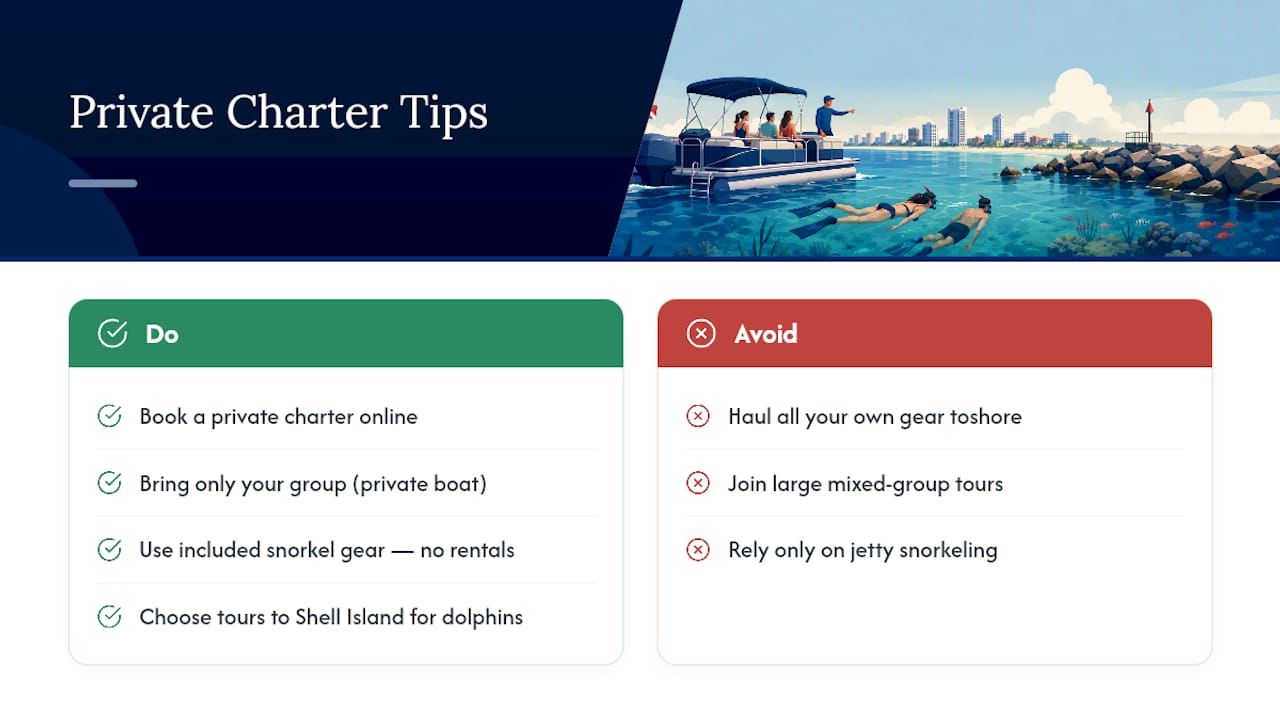
If reading tide charts and hauling your own gear sounds like more work than vacation should require, there’s a simpler route. Private dolphin and snorkeling charters operate on a 26-foot boat, captained by a local knowledgeable about where the water is calm and marine life is active.

Every charter is private, meaning it’s just your family or group aboard, not a boatload of strangers splitting a guide’s attention. Snorkel gear is included, so there’s no last-minute run to a rental counter. You’ll get access to quieter waters around Shell Island alongside dolphin sightings in their natural habitat, all in the same trip.
If the jetties gave you a taste for what’s under this water, a private dolphin and snorkel tour takes it further. Check available dates and book your trip online to lock in a spot for your group.
Sources
For facility details and official guidance, Florida State Parks’ snorkeling page and the St. Andrews jetty guide cover tides, gear, and access in more depth than any single article can.
Recommended

Comments