Shell Island Dolphins: Your Complete Visitor's Guide

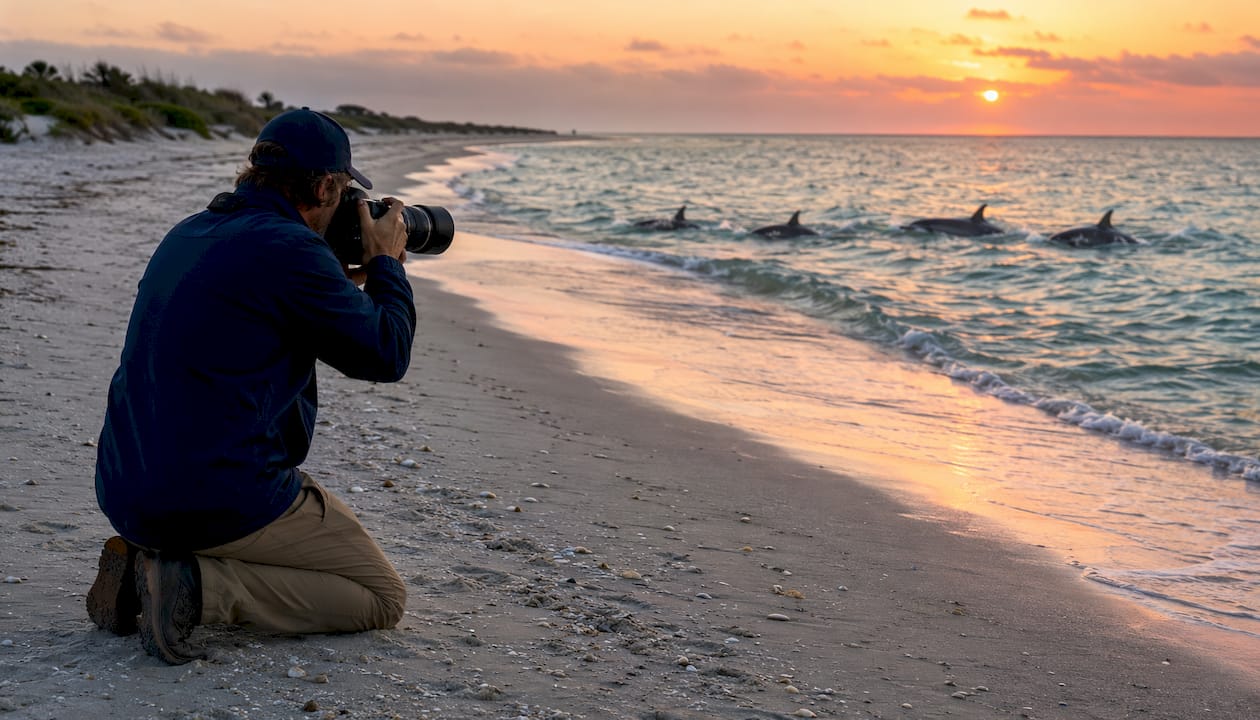
Wild bottlenose dolphins live in the waters around Shell Island year-round, and a boat-based trip gives you the best chance of actually seeing them up close. NOAA photo-ID surveys classify the St. Andrew Bay population as a BSE (bay, sound, estuary) resident stock with high site fidelity, which is why local captains find pods reliably rather than by luck. Shore viewing is possible but limited. The most practical way to see dolphins at Shell Island is a morning private or small-group boat charter with a licensed captain who knows the bay.
Quick planning checklist:
Wild bottlenose dolphins (Tursiops truncatus) frequent St. Andrews Bay and the waters flanking Shell Island
Private charters offer the most flexible, intimate sightings; shared ferries work for budget-conscious visitors
St. Andrews State Park is the primary land-based access point for the island
Follow NOAA and Marine Mammal Protection Act guidelines: no feeding, maintain safe distance, never chase
Morning departures give calmer water and more active dolphin behavior
Table of Contents
Where are the Shell Island dolphins, and when should you go?
The dolphins you’ll see are common bottlenose dolphins, Tursiops truncatus, typically 6–8 feet long with a gray coloring that darkens toward the dorsal fin. They’re social animals, often spotted in pods of 3–15 individuals, surfacing in a rolling arc before diving again. Casual observers can ID them easily by that curved dorsal fin and the way they breathe at the surface.
What makes St. Andrews Bay special is the population’s behavior. NOAA research from photo-ID surveys conducted in 2015–2016 recorded seasonal abundance in the low hundreds of individuals, with limited overlap with coastal stocks. That semi-resident pattern is why a knowledgeable captain can take you to the same productive areas trip after trip. These aren’t transient animals passing through; they live here.
Best times to go:
Morning (7–10 AM): Calmer winds, flatter water, and dolphins actively foraging after dawn. Visibility is better for photography too.
Spring through fall: Sightings are reliable across all seasons, but warmer months bring more surface activity and socializing.
Incoming tides: Baitfish concentrate near channel edges and grass flats as tides push in, and dolphins follow. Captains watch tide charts as closely as weather forecasts.
Pro Tip: Tidal movement matters more than most visitors realize. An incoming tide near the Shell Island channel edges tends to push mullet and other baitfish into predictable corridors, which is exactly where pods concentrate. Check a local tide chart the night before and plan your departure around the first two hours of an incoming tide for the best odds.
For a deeper look at timing, Pcbprestige’s dolphin spotting guide covers seasonal patterns and practical windows in detail.
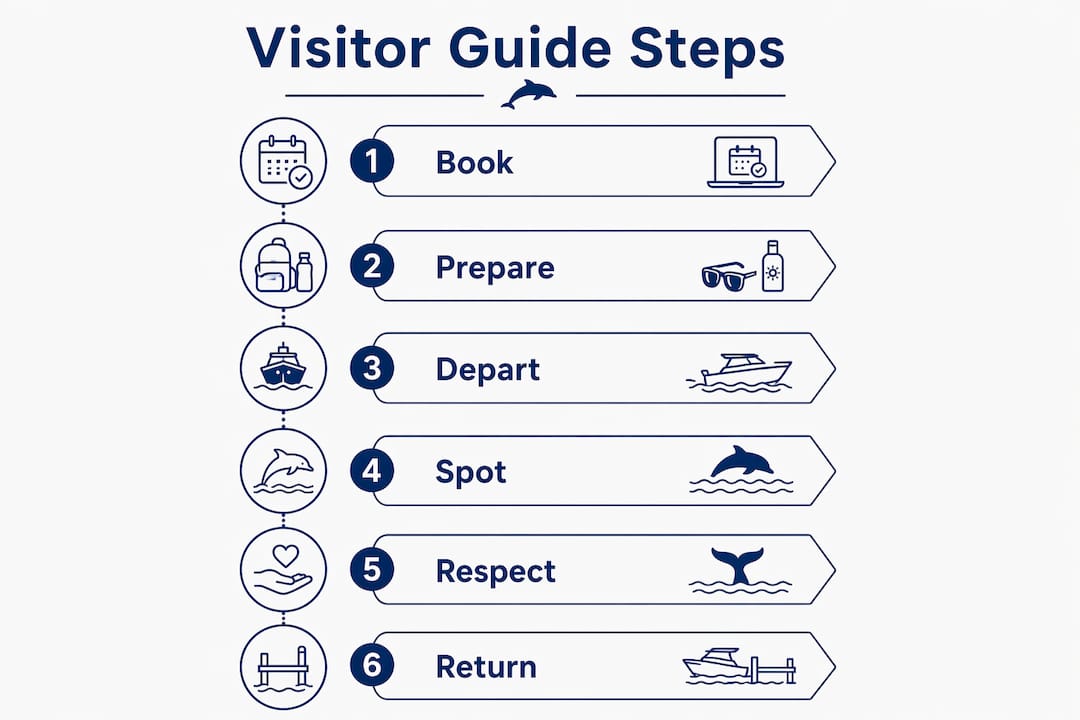
How do you actually get to Shell Island?
Shell Island sits across the pass from St. Andrews State Park, roughly a half-mile from the mainland. There’s no bridge, so every visitor arrives by water.
Your main access options:
Private charter (recommended for dolphin viewing): You depart from a marina or designated meeting point, and the captain routes the trip around active dolphin areas before anchoring at Shell Island. Flexible, private, and far more productive for wildlife viewing than a fixed shuttle route.
Public shuttle/ferry: Seasonal passenger ferries run from St. Andrews State Park to Shell Island’s Gulf-side beach. Low cost, no frills, and no dolphin-watching detour built in. Good for a beach day; not ideal if dolphins are the priority.
Kayak or paddleboard: Experienced paddlers can cross from the park’s boat ramp side, but the pass has strong tidal currents. This option suits fit adults comfortable reading water conditions, not families with young kids.
Personal boat: If you have your own vessel, the St. Andrews State Park boat ramp provides access. Parking fills early on summer weekends.
Parking and fees: St. Andrews State Park charges a day-use vehicle fee (check the Florida State Parks website for current rates, as fees update periodically). Arrive before 9 AM on peak summer days or you may find the lot full. The park’s boat ramp is a popular launch point, and the ferry staging area is clearly marked near the main beach.
For meeting-point details when booking a private charter, Pcbprestige lists service locations and meeting points on their site.
What are your tour and boating options for dolphin viewing?
Not all trips to Shell Island are equal, especially if dolphins are the main draw. Here’s how the common options stack up.
Option | Group Size | Dolphin Focus | Snorkel Gear | Restroom | Flexibility |
Public ferry/shuttle | Large (20+) | Minimal | No | Limited | Fixed route |
Shared eco-tour | 10–20 | Moderate | Sometimes | Varies | Low |
Private charter (e.g., Pcbprestige) | Up to 6 | High | Included | Yes (onboard) | High |
DIY boat rental | Varies | Depends on you | No | No | Full |
Shared ferry or shuttle: The cheapest way to reach Shell Island’s beach. You get a drop-off and pickup, not a wildlife tour. Dolphins may appear near the boat, but the route doesn’t adjust for them.
Private captain-led charter: This is where the experience changes. A licensed captain reads the water in real time, adjusts the route when a pod is spotted, and keeps the boat positioned correctly so the dolphins aren’t disturbed and guests get a clear view. Pcbprestige runs private dolphin and snorkel tours on a 26-foot powerboat with a bathroom, included snorkel gear, and a cap of six guests. For families, that privacy matters. Kids aren’t competing with 30 strangers for a spot at the rail.
DIY boat rental: Possible, but it carries real risk if you don’t know the bay. Shallow sandbars, strong tidal currents near the pass, and unfamiliarity with where dolphins actually feed can turn a fun idea into a frustrating afternoon. You’re also responsible for navigation, safety equipment, and knowing the NOAA viewing rules.
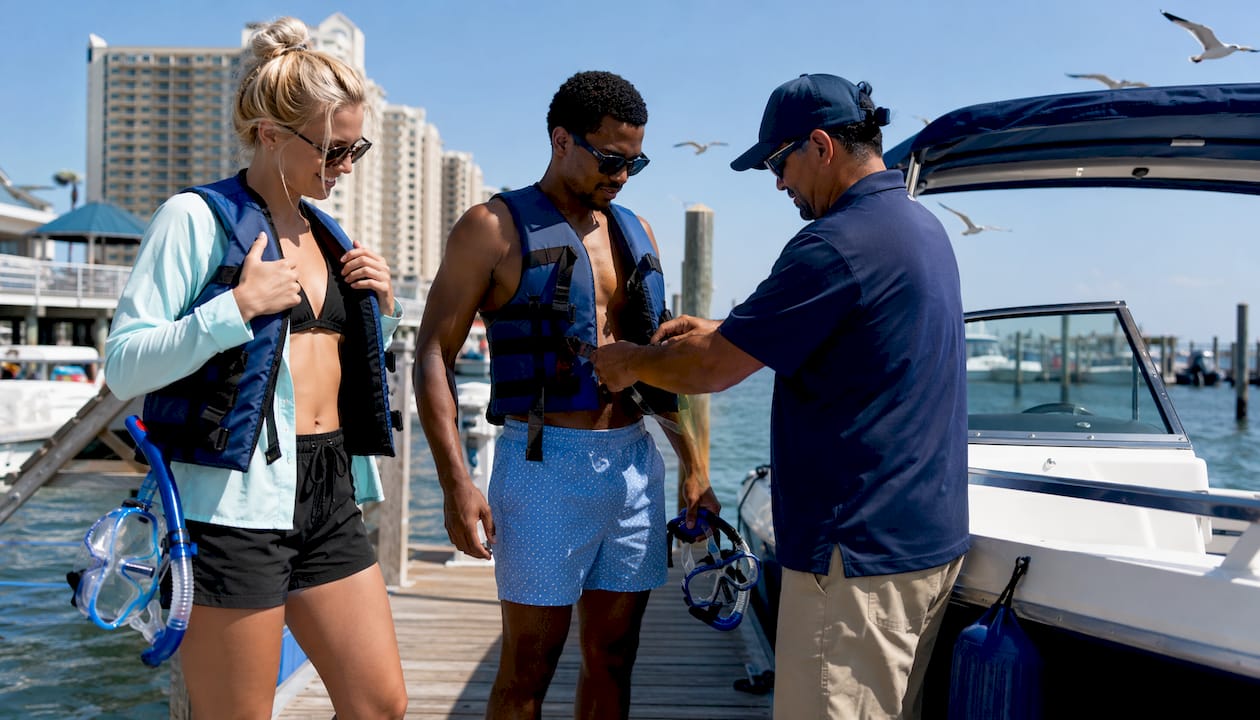
What to expect on a private charter: Safety briefing at the dock, lifejackets for all passengers, a snorkel kit for each guest, and a flexible itinerary that typically combines dolphin watching with a Shell Island snorkel stop. Most private trips run 2–3 hours. The captain handles everything; you just watch and swim.
For families new to boat trips, this kid-friendly boat tour guide covers what parents should prepare for before departure.
What marine life will you see snorkeling near Shell Island?
The water around Shell Island is shallow, clear, and surprisingly rich. Most snorkel stops happen on the Gulf side of the island, where calm conditions and sandy bottom with scattered grass beds make for easy entry and good visibility.
Common species you’re likely to encounter:
Bottlenose dolphins: Occasionally swim through snorkel areas, especially near the pass. Let them approach; don’t chase.
Sea turtles: Loggerhead and green sea turtles forage in the grass beds. Sightings are common in summer. Pcbprestige has a full Shell Island sea turtle guide if you want to know what to look for.
Southern stingrays: Common on sandy flats. Shuffle your feet when wading to avoid stepping on one resting in the sand. More detail on ray behavior is in Pcbprestige’s St. Andrews Bay stingray guide.
Schooling fish: Sheepshead, flounder, pinfish, and the occasional cobia near structure.
Blue crabs and sand dollars: Visible on the bottom in shallow areas.
Visibility runs 6–15 feet on a calm day, dropping after storms or during red tide events. Currents near the pass can be strong, so snorkel with a buddy and stay aware of your position relative to the boat.
Pro Tip: Use reef-safe, mineral-based sunscreen (zinc oxide or titanium dioxide) before you get in the water. Standard chemical sunscreens harm seagrass and coral ecosystems. Apply it 20 minutes before entering the water so it bonds to your skin rather than washing off immediately.
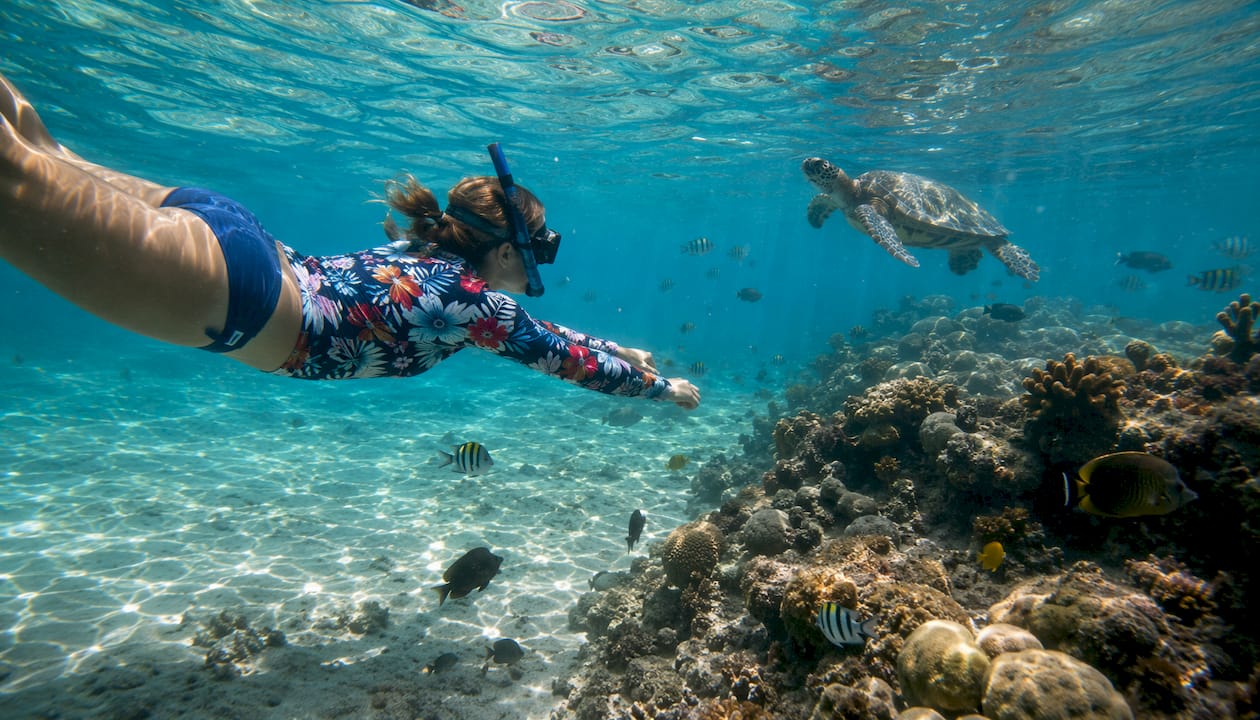
The Panama City Beach marine life hub covers the full range of species you might encounter across different seasons.
How to watch dolphins ethically and stay safe
The Marine Mammal Protection Act makes it illegal to feed, harass, pursue, or alter the behavior of wild dolphins. Violations carry real federal penalties. Beyond legality, feeding wild dolphins disrupts their foraging behavior and can make them dangerously dependent on humans, a pattern documented in earlier Panama City area surveys.
Vessel behavior checklist:
Approach pods slowly, from the side, never head-on
Shift to neutral when dolphins are within 50 yards
Never encircle or trap a pod between boats or between a boat and shore
If dolphins move away, let them go; don’t follow
Limit time near any single group to 30 minutes
Swimmer rules:
Do not enter the water to swim toward dolphins
If dolphins approach while you’re snorkeling, stay still and let them pass
Keep children close and calm; splashing and noise can startle animals
Never touch a dolphin, even if it comes within reach
Pro Tip: Licensed captains do something most visitors don’t: they watch the dolphins’ behavior before deciding how close to get. A pod that’s actively feeding or a mother with a calf gets a wider berth. That read-the-room approach is what separates a good charter from a bad one, and it’s what keeps the animals behaving naturally rather than fleeing.
For more on interaction rules, Pcbprestige’s article on swimming with dolphins in Panama City Beach explains what’s permitted and what isn’t.
What does a Shell Island dolphin tour cost?
Pricing varies by format, and the math often surprises families when they compare options side by side.
Shared tours (per person): Eco-tours and dolphin-watch cruises typically charge per seat. For a family of four, per-person pricing adds up quickly, and you’re still sharing the boat with strangers.
Private charters (flat rate): A private charter covers the whole boat, up to the operator’s guest cap. For a group of four to six, the per-person cost often comes out comparable to or lower than a shared tour, and you get the entire boat to yourselves with a flexible itinerary.
Sample durations:
2-hour sunset cruise: lighter on snorkeling, focused on scenery and dolphin watching
3-hour private dolphin and snorkel combo: the most popular format for families; enough time for both activities without rushing
Pcbprestige’s 3-hour private tour page lists current pricing and inclusions. For live availability and booking windows, the online booking portal shows open slots in real time.
Booking tips:
Reserve morning slots first; they go faster and offer calmer conditions
Confirm cancellation and weather-rescheduling policies before paying
Ask whether snorkel gear, lifejackets, and water are included (Pcbprestige includes all three)
Book at least a few days ahead in summer; peak-season slots fill within 24–48 hours
What local conditions should you check before you go?
A trip that looks perfect on paper can go sideways if you skip the conditions check. These are the resources worth bookmarking.
Before every trip, check:
Marine weather forecast: The National Weather Service marine forecast for the Pensacola/Panama City area covers wind speed, wave height, and small-craft advisories. Winds above 15 knots make for a rough ride; most operators cancel or reschedule at 20+ knots.
Tide tables: NOAA’s tide prediction tool covers the St. Andrews Bay area. Incoming tides are best for snorkeling clarity and dolphin activity.
Red tide and water quality: The Florida Fish and Wildlife Conservation Commission (FWC) posts real-time red tide reports. Active blooms cause respiratory irritation and kill fish, making snorkeling miserable and potentially unsafe.
St. Andrews State Park alerts: The Florida State Parks website posts closures, fee changes, and ferry schedule updates. Check it the morning of your trip.
Live webcams: Panama City Beach has several publicly accessible webcams showing current beach and water conditions. A quick look before you leave the hotel tells you more than a forecast.
If your charter operator cancels due to weather, ask about their rescheduling window. Reputable operators build flexibility into their booking terms.
Key Takeaways
The St. Andrews Bay bottlenose dolphins are a semi-resident BSE stock, and a morning private charter is the most reliable way to see them up close while snorkeling Shell Island’s clear, shallow waters.
Point | Details |
Resident dolphin population | NOAA photo-ID surveys recorded seasonal abundance ranging from about 199 to 315 individuals across sample periods, with high site fidelity, making sightings reliably repeatable. |
Best access method | A private captain-led charter offers flexible routing, ethical positioning, and included snorkel gear. |
Top safety rule | Never feed or approach wild dolphins; the Marine Mammal Protection Act prohibits harassment. |
Go-prepared checklist | Pack reef-safe sunscreen, water, seasickness medication, and a camera; lifejackets are provided by operators. |
Pcbprestige private tours | Private 26-foot boat, licensed captain, bathroom onboard, up to 6 guests, snorkel gear included. |
What licensed captains know that most visitors don’t
The science backs what experienced captains already know from years on the water: these dolphins don’t wander far. The St. Andrew Bay BSE stock’s high site fidelity means a captain who has run this bay for years has essentially mapped where pods feed, rest, and socialize across different tidal stages and seasons. That’s not luck. It’s accumulated local knowledge that no app or GPS chart fully replicates.
What I find most underestimated is how much dolphin behavior changes based on what the animals are doing when you arrive. A foraging pod moves fast and stays focused; a socializing group is more curious and may approach the boat on their own terms. Reading that difference in real time, and adjusting the boat’s position and engine accordingly, is what separates a genuinely good sighting from a distant dorsal fin glimpse. Most visitors on crowded shared tours never get that read because the boat is already committed to a fixed route and schedule.
The private charter format exists precisely to solve that problem. A boat with six people and a captain who can idle for ten minutes while a pod investigates the hull gives you something a 30-person eco-tour structurally cannot. Add snorkeling in calm, clear water with sea turtles and rays, and the whole trip becomes something families talk about for years rather than a checkbox on a vacation itinerary.
Private dolphin tours worth booking before the slots fill
Pcbprestige runs fully private dolphin and snorkel charters out of Panama City Beach on a 26-foot powerboat with a licensed local captain, a bathroom onboard, and snorkel gear included for every guest. The boat holds up to six people, so your group gets the entire vessel, the entire itinerary, and a captain whose only job is making your trip work.
The difference from a shared tour is immediate: no strangers, no fixed route, and a captain who can spend extra time with a pod when the dolphins are active or shift to a calmer snorkel spot when conditions change. Morning slots book fastest, especially in summer, so locking in your time early is worth it. Reserve your private charter directly through the booking portal, or browse tour options and inclusions to find the right fit for your group.
Useful sources and further reading
Science and dolphin research:
NOAA Fisheries: St. Andrew Bay bottlenose dolphin abundance and distribution — peer-reviewed photo-ID study; the primary source for residency and abundance data in this guide
NOAA repository: full dataset and methodology — for readers who want the complete survey data
Wiley: seasonal abundance and site fidelity analysis — independent peer-reviewed confirmation of NOAA findings
IWC Journal: Panama City dolphin surveys and human interaction concerns — historical survey data and background on why feeding and harassment are discouraged
Planning and logistics:
Visit Panama City Beach: Shell Island overview — general visitor information, ferry details, and beach access
Florida State Parks website — current St. Andrews State Park fees, ferry schedules, and alerts (search “St. Andrews State Park Florida”)
NOAA tide predictions — tide tables for St. Andrews Bay (search “NOAA tides St. Andrews Bay”)
Florida FWC red tide reports — real-time water quality alerts before snorkel days
Pcbprestige resources:
Private dolphin and snorkel tours — service details, inclusions, and booking
Panama City Beach marine life guide — species guides for sea turtles, stingrays, dolphins, and more
Best times to spot dolphins — practical timing guide for visitors
Recommended
Comments