Rip Currents at Panama City Beach: Stay Safe in 2026

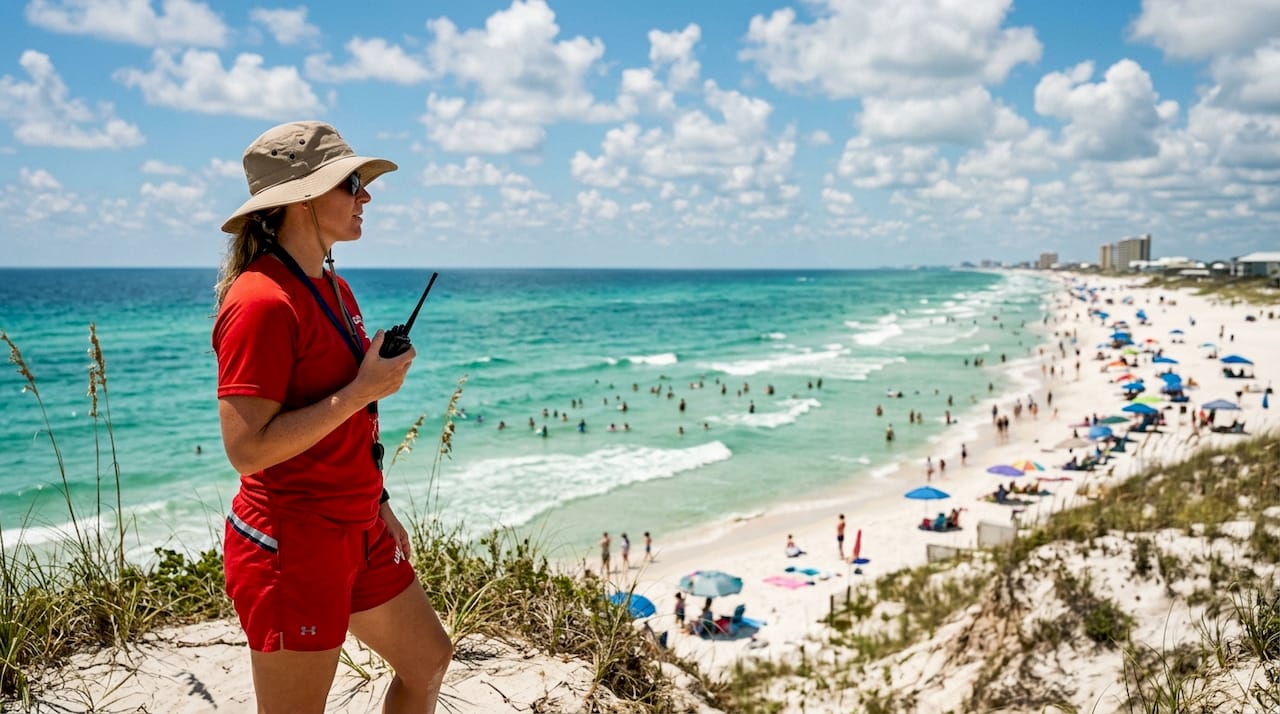
Rip currents at Panama City Beach are fast, narrow channels of water that push directly away from shore, and they are the leading cause of drowning on this stretch of Florida’s Gulf Coast. They have nothing to do with tides. A rip current forms when water piled up by breaking waves finds a gap in a sandbar and rushes seaward through it, sometimes reaching speeds that outpace even strong swimmers. The beach’s fine, loose sand shifts constantly, meaning these channels can open up on a perfectly sunny, calm-looking day with no warning.
Before you wade in, here’s what to act on immediately:
Check the flag color posted at every public beach access point before entering the water.
Never swim under double red flags. It is illegal year-round in Panama City Beach, with fines up to $500 for first offenses.
Swim near a lifeguard at monitored sites like the Jetties, Russell-Fields City Pier, or Panama City public beach.
Text PCBFLAGS to 888777 to receive real-time flag alerts on your phone.
Public Beach Access 45 and the Jetties are among the most heavily monitored spots; use them.
How to spot rip currents at Panama City Beach
Spotting a rip current from the waterline is genuinely hard. From the shore, the water can look deceptively calm right where the danger is greatest. That’s the trap.
NOAA guidance identifies these visual clues:
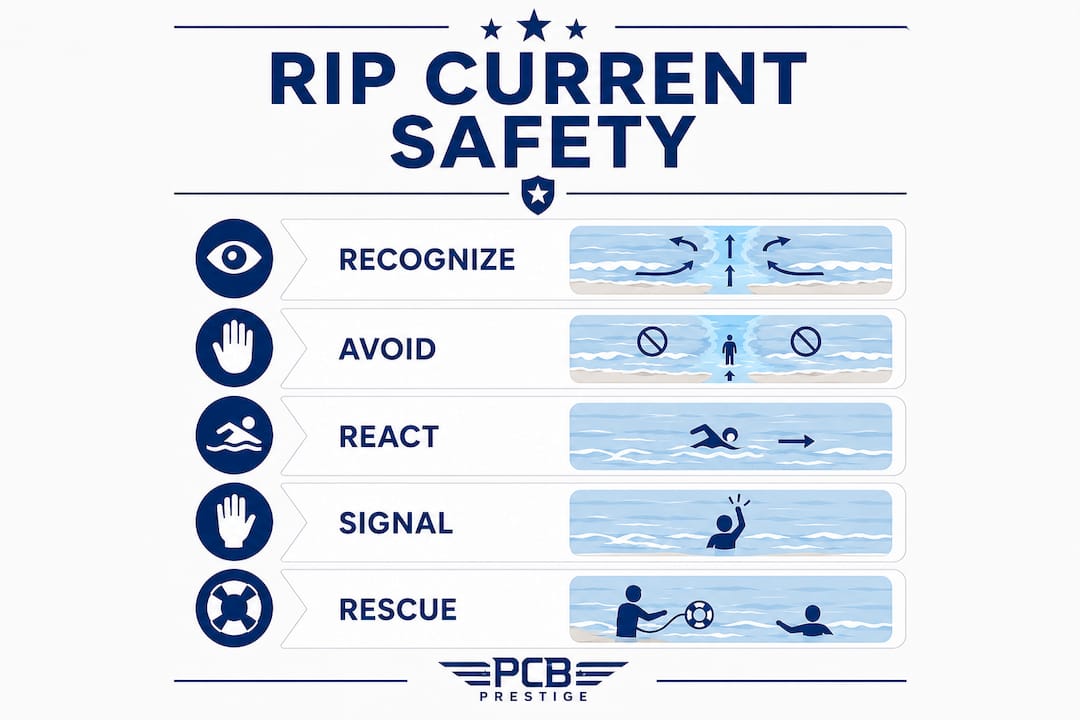
A narrow strip of darker, seemingly calmer water flanked by breaking waves on both sides
A channel of choppy, churning water that looks different from the surf around it
A line of foam, seaweed, or debris moving steadily away from shore
A gap or break in the incoming wave pattern where waves don’t break consistently
Muddy or discolored water caused by sand being pulled off the bottom
Not every rip current shows all of these signs at once. Some show none of them.
Pro Tip: Scan from an elevated spot, like a dune or the top of a beach access ramp at Public Beach Access 5, before you walk down to the water. Spotting from higher ground gives you a much cleaner view of water color and wave pattern differences.
“It’s always harder to spot rip currents from the shoreline. Don’t just glance.” — Rip current researcher, as cited by National Geographic
Visual sign | What it looks like | Reliability |
Darker water channel | Narrow strip of deeper, calmer-looking water | High |
Wave gap | Break in the line where waves stop breaking | High |
Foam or debris line | Seaweed or foam moving steadily seaward | Medium |
Choppy surface | Churning water distinct from surrounding surf | Medium |
Discolored water | Muddy or sandy-colored water past the surf zone | Variable |
At spots like the Jetties and Public Beach Access 45, the sandbar structure creates predictable locations where rip currents tend to form near the structures themselves. Piers and jetties funnel water in ways that concentrate these channels, so give those structures extra clearance.
What the flag system and daily forecasts tell you
Panama City Beach runs one of the most clearly defined color-coded flag systems on the Gulf Coast. The flags reflect actual current conditions, not just a general forecast, and they are updated throughout the day.

Flag color | Risk level | What it means for you |
Green | Low | Calm conditions; exercise caution |
Yellow | Medium | Moderate surf or currents; experienced swimmers only |
Red | High | Strong currents; dangerous for most swimmers |
Double Red | Closed | Water closed to the public; entry is illegal |
Purple | Marine life hazard | Usually jellyfish; check with lifeguards |
One thing locals know that visitors often don’t: Bay County and Panama City Beach never fly green flags. Officials consider some level of caution appropriate any time you enter the Gulf here.
The National Weather Service publishes a separate Surf Zone Forecast with three rip current risk categories. Low Risk means swimming near a lifeguard is generally safe, though dangerous currents can still form near jetties and piers. Moderate Risk means life-threatening currents are possible, and only experienced surf swimmers should enter. High Risk means dangerous currents are likely for anyone in the water, including strong swimmers.
“Along the Emerald Coast, rip currents pose a significant risk to beach patrons, and that’s because they can form anywhere at any time. It’s primarily because of how our sand is in the area. It’s very loose and fine. It moves around very easily with just a little bit of current.” — Daryl Paul, Beach Safety Director, Panama City Beach Fire Rescue
Pro Tip: Don’t rely only on the flag you see when you arrive. Conditions shift during the day. Text PCBFLAGS to 888777 for updates, and check the NWS Surf Zone Forecast before you leave your rental.
PCB vacation rentals often post current flag conditions at check-in, but always verify directly with the beach patrol.
What to do if a rip current catches you
The instinct is to fight it and swim straight back to shore. That instinct gets people killed. Swimming directly against a rip current exhausts even strong swimmers fast, and exhaustion leads to drowning.
Follow these steps instead:
Stay calm. Panic burns energy you need. The current will not pull you underwater.
Float. Let the water carry you while you catch your breath and assess.
Swim parallel to shore. Move left or right, across the current, until you feel the pull ease. Swimming parallel gets you out of the channel.
Head back to the beach at an angle once you’re clear of the current.
Raise one arm if you need help. Signal clearly so lifeguards or other beachgoers can see you.
Don’t attempt a direct rescue of someone else by swimming to them. Throw something that floats, call for help, and let trained lifeguards respond.
Pro Tip: Beach Safety Director Daryl Paul puts it plainly: a rip current is just a deep spot in a sandbar. Once you swim parallel and reach shallower water, you may be able to stand. From there, walking back is far easier than fighting open water.
Practical safety habits every beachgoer should build
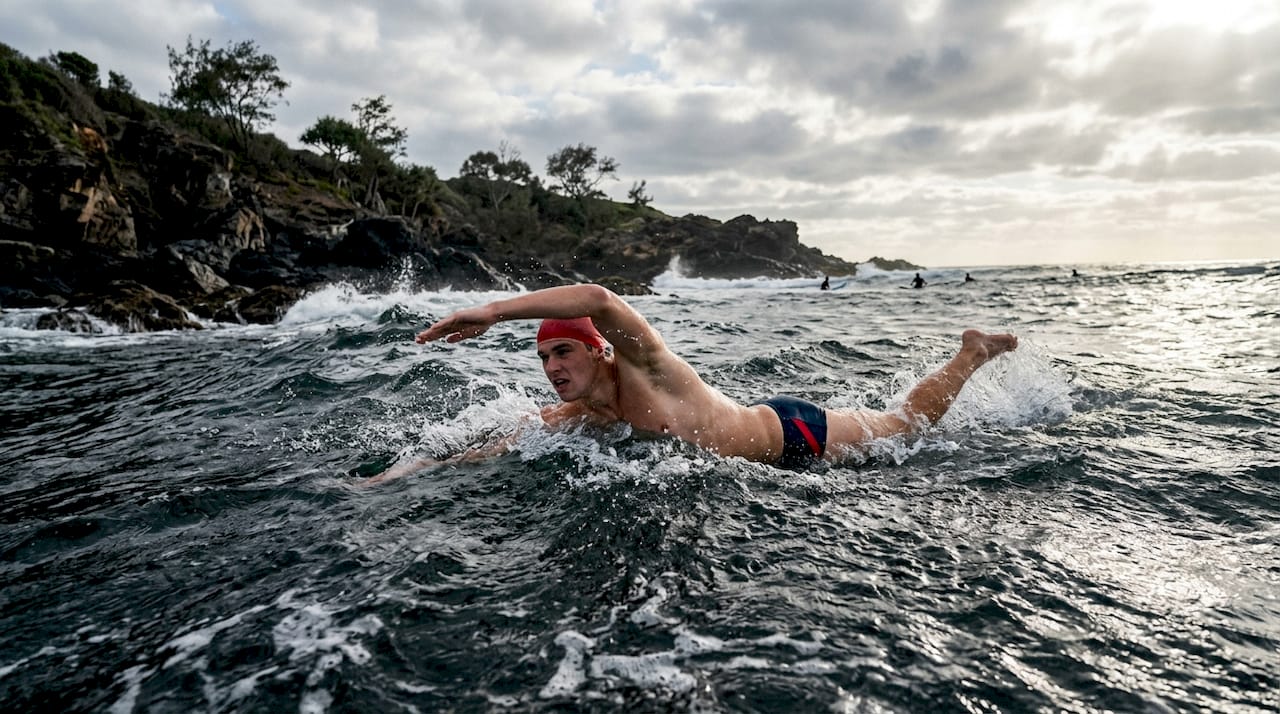
Safe swimming in Panama City Beach comes down to a few habits practiced consistently, not just on days when the water looks rough.
Swim near a lifeguard. Lifeguards are stationed from 10 AM to 6 PM during peak season at M.B. Miller County Pier, Rick Seltzer Park, and Russell-Fields City Pier.
Never swim alone. If something goes wrong, you need someone on shore who can call for help.
Check the NWS Surf Zone Forecast before leaving for the beach, every single day.
Use Public Beach Access points with lifeguard coverage rather than unmonitored stretches.
Rip currents peak during summer afternoons when onshore winds and wave activity are highest, and they form year-round, not just during storms.
Calm conditions are not safe conditions. The loose sand along this coastline means channels can open up on a clear, flat day.
Teach kids the flag system before they get near the water. A child who knows what double red means is a safer child.
Families planning water activities beyond the surf zone can find family-friendly water options that keep groups in calmer, guided conditions away from rip current zones.
Frequently asked questions about rip currents in Panama City Beach
What causes rip currents, and how are they different from rip tides? Rip currents form when breaking waves push water through gaps in sandbars, creating fast channels flowing away from shore. Rip tides are a different phenomenon driven by tidal flow, not waves. The two terms are often confused, but rip currents are far more common and dangerous at Panama City Beach.
How can I check current rip current risk before going to the beach? Text PCBFLAGS to 888777 for real-time flag updates, and check the National Weather Service Surf Zone Forecast at weather.gov for the Panama City Beach area.
Is the water at Panama City Beach safe to swim in? Yes, with the right precautions. Swim near a lifeguard, respect the flag system, and check the daily forecast. Avoid unmonitored stretches and never enter the water under double red flags.
Why are rip currents so bad in Florida right now? Florida’s Gulf Coast beaches sit on fine, loose sand that shifts easily with small amounts of current. This creates unpredictable sandbar gaps year-round. Seven people drowned in Bay County in 2024 due to rip currents, including three within Panama City Beach city limits.
What should I do if I see someone caught in a rip current? Do not jump in after them. Throw a flotation device if one is nearby, call 911 immediately, and alert the nearest lifeguard. Untrained rescuers who enter the water often become victims themselves.
Rip current incidents and rescues at Panama City Beach: what the numbers show
The 2024 season made the stakes concrete. Seven drownings in Bay County were attributed to rip currents, with three occurring within Panama City Beach city limits on March 27, June 20, and June 24. All seven victims were tourists. The remaining four deaths happened on unincorporated county beaches, with three on June 21 and one on June 23. That cluster of deaths in a single week in late June reflects how quickly conditions can turn during peak summer season. Rip currents are consistently one of the leading surf hazards on Florida beaches, and the U.S. Lifesaving Association reports that 80% of all surf rescues nationwide are rip current related.
Explore Panama City Beach safely with Pcbprestige

If you want to experience Panama City Beach’s waters without the surf zone risk, Pcbprestige offers private dolphin and snorkeling tours aboard a 26-foot powerboat captained by a licensed local expert. Tours head to Shell Island and calmer bay waters, well away from rip current zones, with all snorkel gear included and safety briefings built into every trip. Groups stay private, itineraries stay flexible, and the captain knows these waters cold. Book your tour and spend your time on the water doing something memorable rather than managing risk on a crowded public beach.
Key Takeaways
Rip currents at Panama City Beach can form on calm, sunny days due to the region’s fine, loose sand, making flag awareness and lifeguard proximity the two most reliable safety tools available.
Point | Details |
Flag system is law | Double red flags mean the water is legally closed; violations carry a $500 fine. |
Loose sand creates year-round risk | Panama City Beach’s fine sand shifts easily, forming rip channels even in calm conditions. |
Parallel swimming saves lives | Swimming across the current, not against it, is the proven escape technique. |
2024 drowning toll | Several drownings occurred in Bay County in 2024 from rip currents, including some within PCB city limits. |
Real-time alerts available | Text PCBFLAGS to 888777 for up-to-date flag conditions before and during your beach visit. |
Recommended
Comments