Dolphin Tours for Non Swimmers: Private Charters Keep You Dry
- PCB Prestige
- 1 day ago
- 9 min read
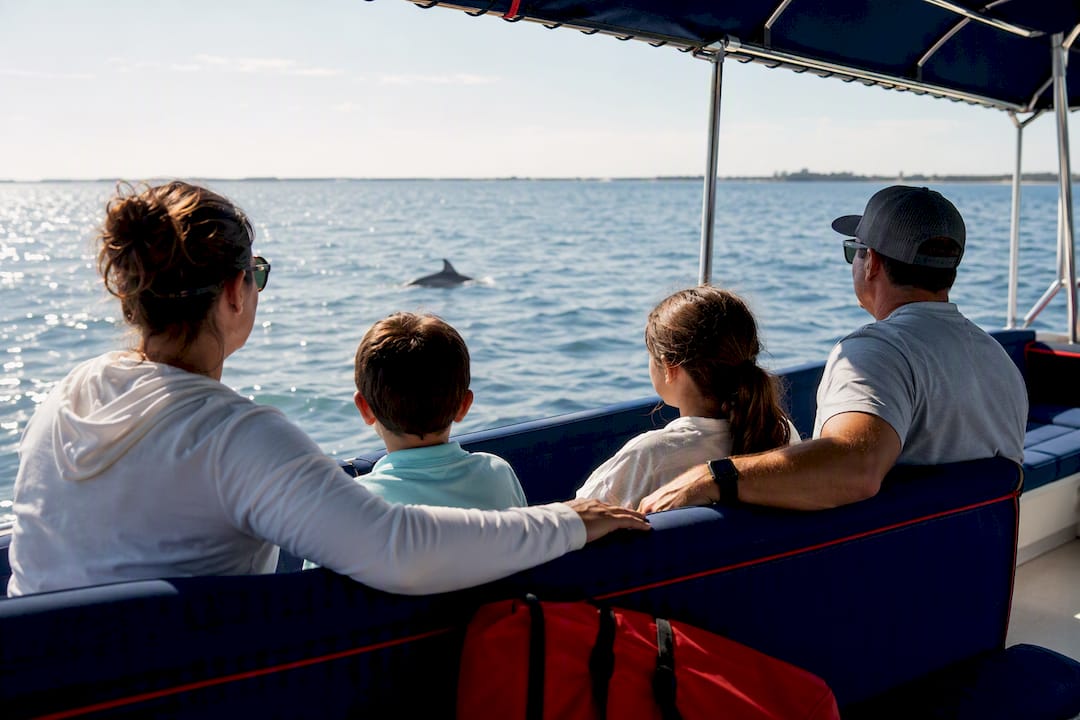
Yes, non-swimmers can enjoy dolphin tours. The safest routes are boat-based watching, glass-bottom viewing, or a supervised non-swim shallow-water encounter where you stand waist-deep with your feet planted on the bottom the whole time. Safety comes down to what the operator provides, so confirm life jackets, a pre-trip briefing, and trained crew before you book, and tell them upfront that you can’t swim.
TL;DR:
Boat-based dolphin watching with life jackets and a safety briefing offers the most accessible experience for non-swimmers, with tours lasting 1.5 to 3 hours.
Shallow-water encounters are designed for non-swimmers and typically last about 30 minutes, costing per person, while private charters offer flexible, longer experiences at a flat rate.
Operators should provide individualized life jackets, trained crew, clear safety instructions, and have explicit policies for rough seas, which must be confirmed before booking.
Preparing with lightweight gear, disclosing non-swimmer status, and choosing private charters improve comfort and safety while reducing anxiety during the tour.
Alternatives like aquariums, virtual reality experiences, and livestreams offer fully dry dolphin encounters for those entirely opposed to water activity.
Table of Contents
What Kind of Dolphin Tour Works for a Non-Swimmer
Not every dolphin experience requires getting in the water, and the ones that do don’t require swimming. Four formats dominate the market, and each suits a different comfort level.
Boat-based dolphin watching: You stay seated on a stable vessel with railings and a life jacket, watching dolphins surface and play from a few yards away. It’s the lowest-anxiety option and the most common one for families with a mix of swimmers and non-swimmers aboard.
Shallow-water non-swim encounters: These programs put you waist-deep on a platform or shoreline, close enough to touch a dolphin’s fin without ever needing to float or kick. Dolphins Plus in the Florida Keys built its entire encounter design around guests who can’t swim.
Dockside and observation programs: Some operators run non-swim dockside encounters where you interact from a fixed platform, no wading required at all.
Glass-bottom boat tours: These let you watch dolphins and reef life through a viewing panel while staying completely dry, a format many operators market specifically for non-swimmers and guests with mobility limits.
Boat watching and glass-bottom tours tend to work best for seniors, pregnant guests, and anyone anxious about open water. Shallow-water encounters suit families with kids old enough to follow instructions but still too young or nervous to swim independently.
How to Choose a Safe Dolphin Tour When You Can’t Swim
Marketing copy calls almost everything “family-friendly.” The checklist below cuts through that.
Life jackets for every passenger, not just those who ask, sized to fit adults and children separately.
A safety briefing before departure, covering what to do if seas pick up or someone feels unwell.
Trained crew or marine mammal specialists on board, not just a boat operator with no wildlife training.
Clear age limits and health restrictions stated on the booking page, not buried in fine print.
A stated cancellation or reschedule policy for rough seas, since a non-swim program is often the first thing cut when conditions turn.
When you call or book online, ask directly: “Do you offer a non-swim option?” “Can you reserve a life jacket in my size?” and “What happens if seas are rough that day?” A operator that answers all three without hesitation has done this before.
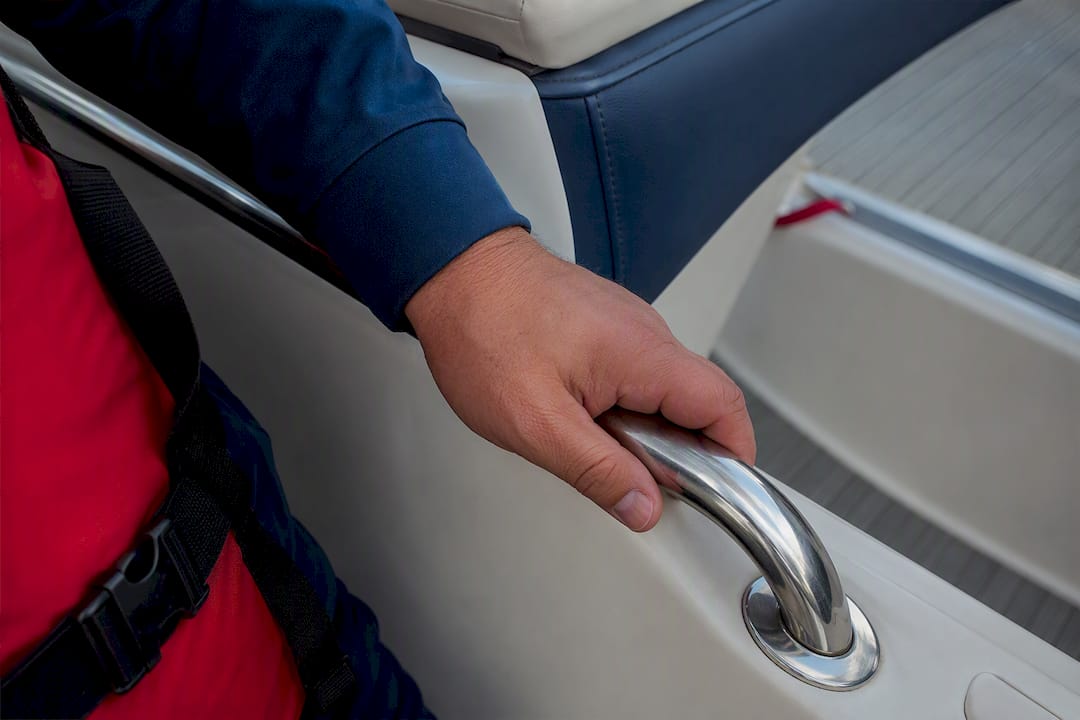
Watch for red flags: pressure to get in the water anyway, vague answers about safety equipment, no handholds or lifelines on shallow-water platforms, or staff who can’t tell you who’s trained in marine mammal handling. If a shared group tour feels too unpredictable, a private charter solves most of the anxiety by putting you in control of pace, seating, and who’s on board.
Pro Tip: Call the operator directly instead of relying only on the website. A five-minute phone conversation about your specific needs reveals more about how a crew handles non-swimmers than any FAQ page.
What to Expect on the Day: Timing, Cost, and What’s Included
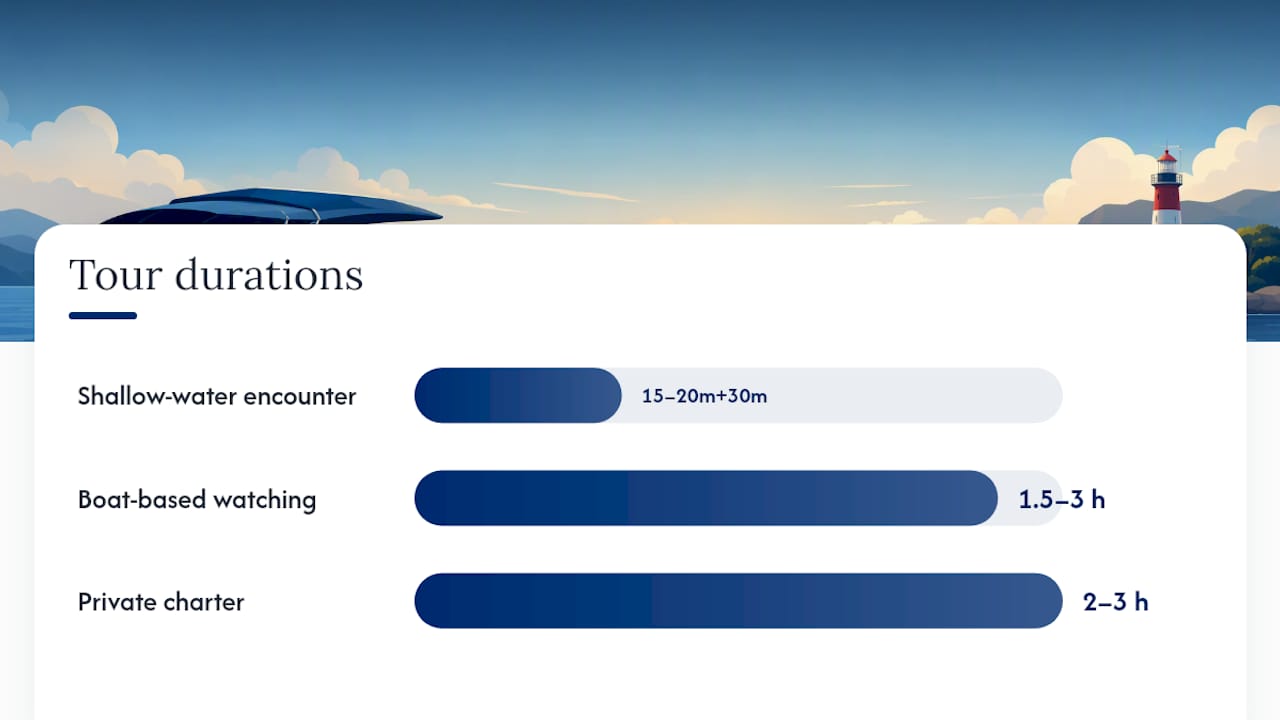
Duration varies by format. Shallow-water encounters typically run about 30 minutes after a 15 to 20-minute educational briefing. Boat-based watching tours usually last 1.5 to 3 hours, and private charters often run 2 to 3 hours with a flexible itinerary built around your group.
Pricing shapes differ too. Shallow-water encounters are usually priced per person, with some Florida Keys programs listing prices per participant depending on location and inclusions.. Private boat charters, by contrast, tend to run as a flat rate for the whole group rather than per head, which often makes them the better value for families of three or more.
Most reputable tours include the same baseline:
Life jackets and a pre-departure safety briefing
Trained crew on board
Photos available for purchase afterward
Lockers and showers if the program operates out of a park or dock facility
Weather changes the math. Rough seas are the most common reason a non-swim shallow-water program gets canceled or converted to boat-watching only, so ask about the operator’s specific rain-or-swell policy before you pay in full.
How to Prepare for a Dolphin Tour If You Can’t Swim
A little prep work removes most of the stress that comes with being the one person on board who can’t swim.
Pack light and smart: a swimsuit or quick-dry layers, a towel, reef-safe sunscreen, motion-sickness medication if you’re prone to it, a waterproof bag for your phone, and ID or cash in a sealed pouch.
Disclose your non-swimmer status at booking and again at check-in. This isn’t a confession, it’s information the crew needs to stage the right gear and seating for you.
Request a stable seat and confirm life jacket sizing ahead of time, especially for kids or larger adults, since sizing mistakes are the most common on-the-day headache.
Flag mobility or medical needs when you book, not when you arrive at the dock, so the crew can plan boarding and seating accordingly.
Families juggling mixed ability levels have an easier path than they expect: book a private charter where non-swimmers stay onboard with full crew attention while stronger swimmers take a short snorkeling break nearby. Everyone gets their version of the same trip.
If anxiety is the real obstacle, not the water itself, three things help more than anything else: book a morning tour when seas tend to be calmer, choose a private charter over a shared group, and bring someone you trust along for the ride. A properly fitted life jacket does more for confidence than most people expect.
Pro Tip: If you’re nervous about the water but curious about getting closer than a boat rail allows, read up on snorkeling without swimming first. Flotation-assisted snorkeling and shallow encounters share more in common than most people realize.
Why a Private Charter Often Works Best for Non-Swimmers
A crowded group boat with 40 strangers is a hard place to relax if you can’t swim. A private charter for 6 guests or fewer changes the entire equation. Pcbprestige runs private, captain-guided tours out of Panama City Beach on a 26-foot powerboat, and the format itself solves the biggest problems non-swimmers face on shared tours.
A licensed local captain who knows the water, not a rotating crew unfamiliar with that day’s conditions.
A small, private group, meaning the crew’s full attention is on your family, not split across 30 other passengers.
Ethical wildlife viewing practices that keep dolphins undisturbed in their natural habitat rather than chasing them for a photo.
All snorkeling equipment included, so swimmers in your group can jump in near Shell Island while non-swimmers stay comfortably aboard.
A flexible itinerary, which means the captain can adjust pace, distance, and time on the water based on who’s on board that day.
If a family member needs specific seating, extra time boarding, or a particular life jacket size, that’s a conversation worth having before the trip, not during it. Read more about what swimming with dolphins in Panama City Beach actually looks like for non-swimmers before you book.
Legal and Insurance Considerations for Non-Swimmers
Most licensed charter operators in the United States carry liability insurance and operate under Coast Guard safety requirements, which is why life jackets and a safety briefing aren’t optional extras. Federal regulations require U.S. Coast Guard approved life jackets sized correctly for each passenger, and a licensed captain is required to carry enough of them for everyone aboard.
Waivers are standard practice. Nearly every operator, private or shared, will ask you to sign a liability waiver before departure that acknowledges the inherent risks of being on open water. Signing one doesn’t waive your right to expect basic safety equipment and a properly trained crew. It does mean you should read what you’re signing rather than skimming it at the dock.
Age and health restrictions carry real weight here too. Programs that involve any water entry, even shallow-water non-swim encounters, often exclude guests who are pregnant or have certain heart or respiratory conditions, a restriction Dolphins Plus states explicitly on its program page. Boat-based watching tours generally don’t carry the same restrictions, since no one leaves the vessel.
If you’re booking for a family member with a medical condition, disclose it directly to the operator rather than assuming a general waiver covers it. A good crew will tell you plainly whether a specific program is appropriate, and a private charter gives you more room to ask those questions before committing to anything.
Alternatives if You’d Rather Stay Completely Dry
Some non-swimmers want the connection with dolphins without any water exposure at all, wet feet included. That’s a legitimate choice, and a few solid options exist.
Aquariums and marine parks with dolphin habitats let you watch natural behavior up close through glass, often paired with educational talks from staff who explain feeding, communication, and social structure. It’s a controlled environment with zero water risk, which makes it a strong pick for very young children or guests with significant mobility limitations.
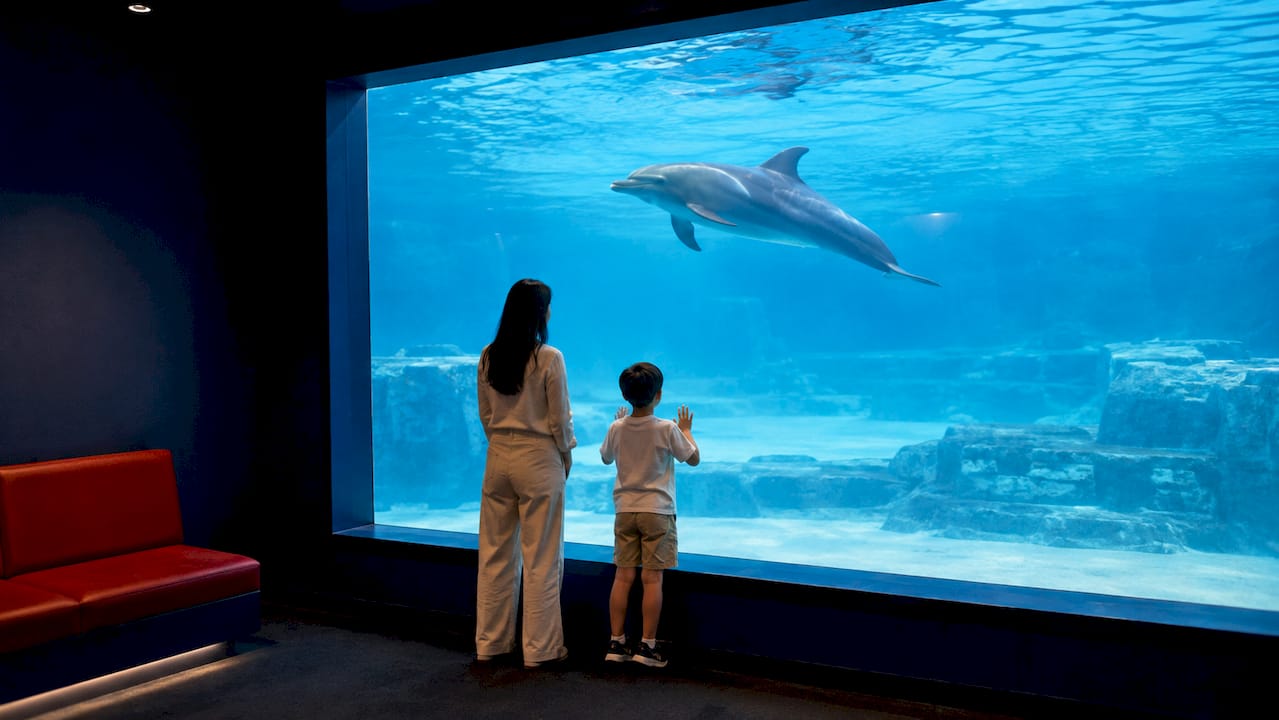
Virtual reality dolphin experiences have also become more common at aquariums and science centers, simulating an underwater swim without getting anyone wet. It’s not a substitute for watching a real dolphin surface twenty feet from your boat, but it works well for guests who are curious but firmly opposed to any water activity.
Documentary and livestream options exist too, and some marine research organizations stream dolphin pods in the wild. None of these replace the experience of sitting on a boat and watching a dolphin breach next to you in open water. But for someone who wants zero water exposure of any kind, they’re a reasonable middle ground before committing to an in-person tour.
Why the Best Advice for Non-Swimmers Isn’t “Find a Beginner Tour”
Most guides tell non-swimmers to look for a “beginner-friendly” tour, as if the problem is skill level. It isn’t. The real variable is group size and crew attention, not whether the itinerary is labeled for beginners.
A shared boat with 30 people and one distracted crew member is a worse fit for a non-swimmer than a small private charter, regardless of how either one markets itself. Conventional advice focuses on finding the right program category. The better question is who’s actually watching you once you’re on the water.
Prioritize disclosure over discovery. Tell the operator you can’t swim before you show up, not after. That single habit does more for your safety and comfort than any amount of research into which encounter type sounds the least intimidating on a website.
— Justin
Ready to Book a Private Dolphin Tour That Works for Non-Swimmers
Pcbprestige is the alternative to a crowded group boat for non-swimmers in Panama City Beach: a private charter for up to 6 guests means the captain’s full attention is on your family, not split across dozens of strangers. You choose the pace, the crew fits life jackets before anyone boards, and no one is pressured into the water who doesn’t want to go in.
Booking is simple. Use the intake form to flag non-swimmer status, mobility needs, or life jacket sizing ahead of time, so the captain arrives prepared. Explore the private dolphin and snorkeling tour options to see what fits your group, or head straight to book your tour online and reserve a date. Early booking matters most in peak season, when the calmest morning slots go first.
Sources
Recommended
Comments