Family Cold Water Snorkeling at Shell Island, Private Tours from $350
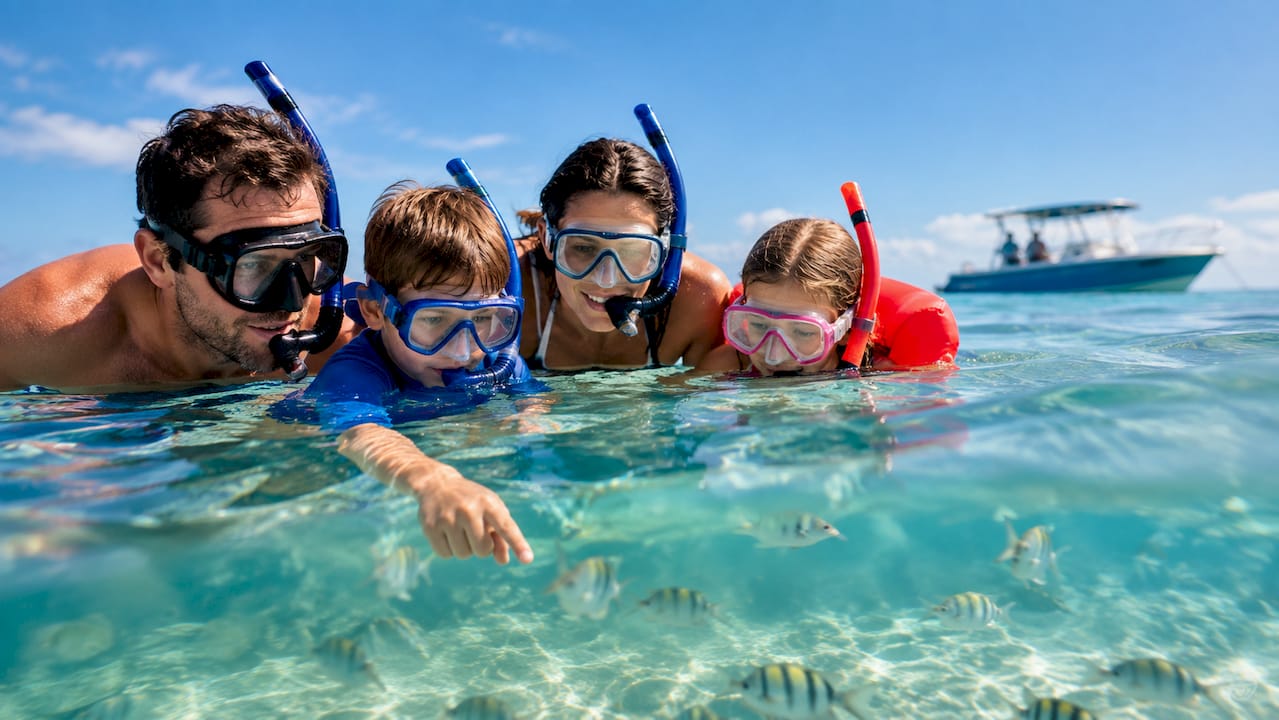
At Pcbprestige, “cold water snorkeling” for this guide means private, captain-guided snorkeling around Shell Island in warm Gulf water, not technical cold-water diving. If you’re planning a family or small-group trip, the safest and most relaxed option is a private, captain-guided charter timed to slack high tide. That combination gets you calmer water, better dolphin odds, and a lot less guesswork than the DIY route.
TL;DR:
Booking a private, captain-guided tour during slack high tide offers the best chances for calm water, dolphin sightings, and optimal visibility.
May, June, September, and October balance warm water, thinner crowds, and lower risk of thunderstorms, with mornings from 9 to 11 a.m. ideal for clear water.
Private charters include snorkel gear, a licensed captain, and flexible stops tailored to weather and animal activity, with costs around $350 to $450 for up to six guests.
Children and non-swimmers are safest in waist-deep zones, especially during slack tide, with gear fitting, adult supervision, and a guide’s pacing crucial for safety.
Respectful wildlife behavior, reef-safe sunscreen, and anchoring in sand rather than seagrass help protect Shell Island’s ecosystem and ensure sustainable visits.
Table of Contents
What You’ll See Snorkeling at Shell Island
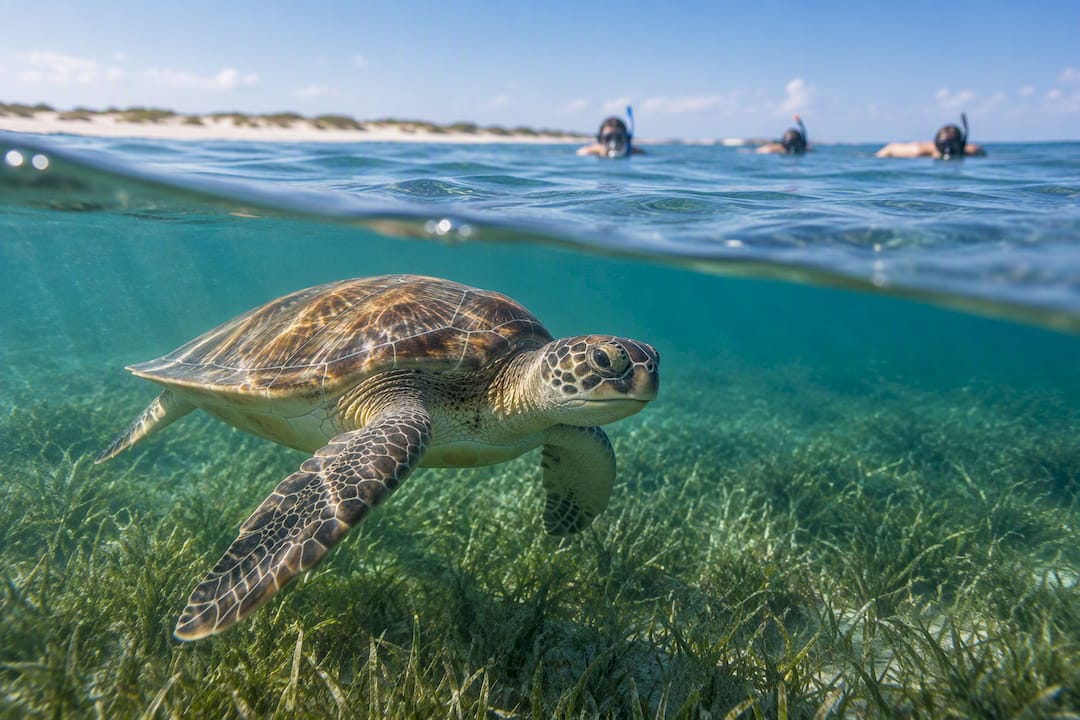
Shell Island sits at the mouth of St. Andrews Pass, and its shallow seagrass beds function like a nursery for Gulf wildlife. Snorkelers routinely spot bottlenose dolphins, sea turtles, stingrays, starfish, sand dollars, and reef fish drifting through the grass flats and along the sandbar edges.
Kids tend to do best in the shallow “wading pool” zones on the east side, where the water rarely rises past the waist and visibility stays forgiving even for first-time snorkelers. A few ground rules make the experience better for everyone, animals included:
Keep a respectful distance from dolphins and rays; never chase or corner them.
Skip touching starfish, sand dollars, or any shell you find still occupied.
Use reef-safe sunscreen so runoff doesn’t stress the seagrass and coral nearby.
Let a guide point out marine life first. Captains often spot animals before guests do.
When Is the Best Time for Clear Water and Fewer Crowds?
Late spring through summer brings the warmest water and generally the clearest conditions for snorkeling. But the sweet spot for most families isn’t peak July. It’s the shoulder months.
May, June, September, and October tend to balance warm water with thinner crowds and easier private-tour availability, which matters if you’re trying to book a specific morning slot.
Tide timing matters just as much as the calendar. The clearest shallow water at the east sandbar usually shows up during the slack high tide window, roughly an hour before and after the posted high tide, when current slows to almost nothing.
Wind direction can make or break a session:
Light north or east winds usually mean calm, glassy water.
Strong south winds churn up sediment and cut visibility fast.
Afternoon thunderstorms are common in peak summer, so check the NOAA marine forecast before locking in a time.
September often threads the needle nicely: warm water, fewer people, and typically lower thunderstorm frequency than the height of summer.
How Do You Get to Shell Island?
Three ways get you there, and each comes with real tradeoffs. The Shell Island Shuttle or passenger ferry is the cheapest option, dropping you on the beach with no captain, no guided stops, and a fixed return schedule you have to plan around. Renting a pontoon boat gives you more freedom to explore St. Andrews Pass on your own timeline, but it requires someone in your group comfortable running a boat and reading local water conditions. A private, captain-guided charter covers both gaps: a licensed captain who knows the sandbars, the tide charts, and where dolphins tend to feed that day, making it easier to plan with Golden WaterSports.
Here’s how the three stack up in practice:
Ferry/shuttle: Lowest cost, fixed schedule, no equipment or guidance included.
Pontoon rental: More flexible timing, but you’re responsible for navigation and safety calls.
Private charter: Captain-timed stops, gear included, and amenities like an onboard bathroom.
Most charters run 2 to 3 hours, departing from marinas around Panama City Beach with parking nearby. Boarding is straightforward. Arrive a little early, and the captain handles the rest.
What Does a Private, Captain-Guided Snorkel Trip Include?
A private charter built for families typically covers a small group (up to six guests), full snorkel gear, and a licensed captain who adjusts the plan on the fly rather than sticking to a rigid script. That flexibility is the real value. Private charters can time stops for dolphin sightings and clarity in ways a large shared catamaran simply can’t, since there’s no schedule to negotiate with other passengers.
Expect these standard inclusions on a well-run trip:
Snorkel masks, snorkels, and flotation gear for the whole group
A captain who plans stops around slack tide and current conditions
An onboard bathroom, which matters more than people expect with young kids
Flexible pacing, including shade breaks or extra time for a hesitant swimmer
Captains coordinate NOAA marine forecasts with St. Andrews Pass tide charts to pick the morning window when wind and tide line up for the clearest water. That’s not guesswork. It’s the same planning method local guides rely on every day.
Pro Tip: If someone in your group wants photos, mention it before you leave the dock. A captain who knows a photographer is aboard will often linger a few extra minutes at a good sighting instead of moving on right away.
Family Safety and Gear Checklist for a Confident Trip
Most snorkeling incidents at Shell Island trace back to two things: kids or non-swimmers drifting outside marked shallow zones, and ill-fitting gear. Both are avoidable.
Follow these steps before you get in the water:
Pair every child or non-swimmer with an adult buddy for the entire swim.
Fit everyone with a snorkel vest or flotation aid, even confident swimmers in current.
Stay inside the area the captain marks off; sandbar drop-offs happen fast.
Listen to the full safety briefing before anyone enters the water.
For gear, a properly fitted mask matters more than any other piece of equipment. Dockside rental shops often run out of child-sized masks by mid-morning, so bringing your own kid-fit mask and vest avoids a scramble. Short fins work fine for older kids; younger ones usually do better without fins at all.
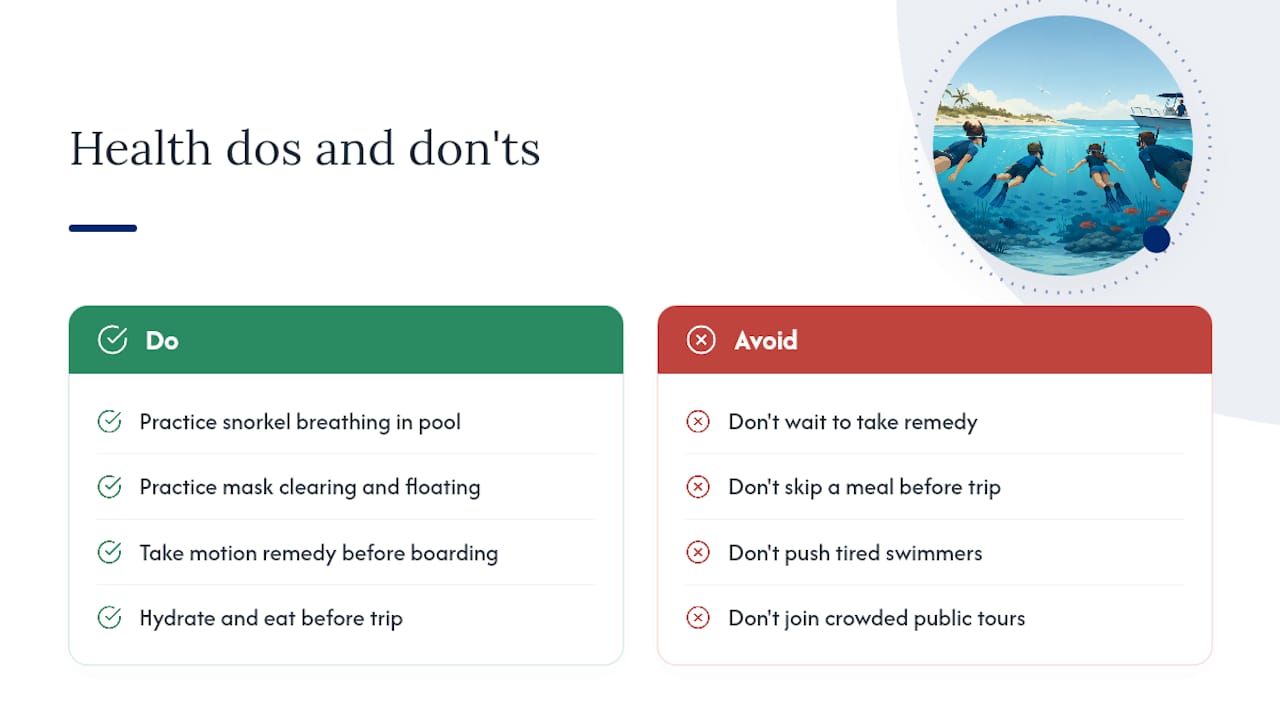
A few health notes worth planning around: contact lens wearers should consider snorkeling without swimming techniques that reduce mask flooding risk, motion sensitivity is worth addressing with an over-the-counter remedy an hour before boarding, and hydration matters as much on the water as it does on the beach.
When Should You Book, and What Should You Pack?
Private charters fill up fastest in peak summer and during the shoulder months when demand for good weather windows spikes. Booking a week or two ahead gives you a real shot at your preferred morning slot instead of whatever’s left.
Morning slack tide, generally between 9 and 11 a.m., tends to produce the calmest, clearest conditions. Plan to arrive at the marina with enough buffer for parking and gear fitting so the trip doesn’t start rushed.
Pack for the day with these basics:
A dry bag for phones, keys, and anything that can’t get wet
Towels and a full change of clothes for the ride back
Light snacks and water, since trips run several hours
A tethered phone or waterproof camera case if you want photos
If you’re relying on the public ferry instead of a private charter, double-check the return schedule before you leave the dock. Missing the last boat back is a common and entirely avoidable headache.
Physical Preparation and Health Considerations
You don’t need to be an athlete to snorkel Shell Island, but a little preparation goes a long way toward comfort. The water here sits warm for most of the season, so this isn’t about acclimatizing to cold. It’s about stamina and confidence in open water.
If you haven’t swum in open water recently, spend a few minutes in a pool or calm shoreline breathing through a snorkel before your trip. Getting comfortable with the mechanics, breathing through the tube, clearing water from the mask, floating without panic, matters more than raw fitness. Kids especially benefit from a dry run in shallow water before heading out to the sandbar.
Anyone managing asthma, a heart condition, or inner ear issues should talk to a doctor before booking, since even calm snorkeling puts some strain on breathing and balance systems. Motion sensitivity on the ride out is common too, even in flat water, so taking a remedy before boarding rather than after symptoms start works far better.
Older adults and young children benefit most from a private charter’s slower pace. A captain who isn’t managing twenty strangers can let a tired swimmer rest on the boat, adjust water time based on energy levels, and avoid pushing anyone past their comfort zone. That flexibility is hard to get on a packed public tour, where the schedule moves regardless of how any one guest is feeling.
Building in rest breaks between snorkel sessions, staying hydrated in the Gulf sun, and not skipping a meal beforehand all reduce the odds of fatigue or dizziness cutting a good trip short.
What Risks Should You Watch For on the Water?
The biggest hazard around Shell Island isn’t the marine life. It’s current near the sandbar drop-offs and the pass itself. St. Andrews Pass funnels a surprising amount of water movement between the Gulf and the bay, and that current picks up fast outside the slack tide window.
Fatigue is the second major risk, particularly for kids or less confident swimmers who don’t realize how much energy treading water actually takes. A snorkel vest solves most of this by keeping a swimmer afloat without effort, letting them focus on breathing and looking down rather than staying up.
Sun exposure deserves more respect than most visitors give it. Hours on open water with reflection off the surface can cause sunburn far faster than a normal beach day, and heat exhaustion is a real possibility during a long midday session.
Here’s how a well-run charter mitigates each of these:
Captains choose slack tide windows specifically to minimize current risk.
Marked-off shallow zones keep swimmers away from drop-offs and pass currents.
Life vests and snorkel vests are available for every guest, not just weak swimmers.
Shade breaks on the boat prevent overheating during longer stops.
None of these risks are exotic. They’re the same ones any open-water activity carries, and they’re manageable with the right pacing, the right gear, and someone experienced watching the conditions instead of a fixed itinerary running the show.
How Can You Snorkel Responsibly Around Shell Island?
Shell Island’s seagrass beds are the reason the marine life shows up in the first place. Boat propellers and anchors that cut through grass beds take years to recover, which is part of why experienced captains anchor in sand instead of grass whenever possible.
Wildlife interaction is where most of the damage happens without anyone meaning it. Feeding dolphins, chasing turtles for a closer photo, or picking up a stingray “just to look” all count as harassment under federal marine mammal protections, and they stress animals that would otherwise ignore a slow-moving group of snorkelers entirely. The better approach is patience: let the animal set the distance, and let the encounter happen on its own terms.
Sunscreen choice matters more than most visitors realize. Oxybenzone and octinoxate, common in drugstore sunscreens, have been linked to coral stress in reef environments. Reef-safe, mineral-based formulas avoid that problem without sacrificing protection.
A few habits keep the ecosystem intact for the next group of visitors:
Anchor and swim over sand, not seagrass, whenever the option exists.
Never touch, feed, or corner wildlife, no matter how calm it seems.
Pack out every piece of trash, including small items like snack wrappers.
Choose mineral-based, reef-safe sunscreen over chemical formulas.
Guides who work these waters daily tend to enforce these habits automatically, which is one more argument for going out with someone who knows the area rather than improvising.
Why Private Trips Work Best for Families
Timing a trip around dolphins and tides isn’t guesswork. It’s pattern recognition built from watching this water day after day, and it’s why a captain who tailors stops for kids and non-swimmers beats a fixed-schedule tour every time. Privacy and captain expertise aren’t luxuries here. They’re what makes ethical, low-stress wildlife viewing actually possible.
— Justin
Book a Private Shell Island Trip With Pcbprestige
This service offers an alternative to the ferry-and-rental scramble: a licensed captain, a small group, and a boat suited for this kind of trip.
The 3 Hour Private Tour fits families and small groups perfectly, up to six guests, all snorkel gear included, and a 26-foot boat with an onboard bathroom that makes a huge difference with kids. Every stop gets timed around tide and dolphin activity instead of a fixed script, and the pace adjusts if someone needs a break or a photo op runs long. If sunset colors and calmer water sound better than a midday snorkel, the 2 Hour Sunset Tour covers that at $350 flat for up to six guests.
Both trips run as fully private charters, so there’s no sharing a boat with strangers or working around someone else’s schedule. Check available dates and book online directly, or use the intake form if you want help planning the timing around tide and weather first.
Sources
FAQ
What Does “Cold Water Snorkeling” Mean for Shell Island Trips?
In this context, it refers to private, captain-guided snorkeling around Shell Island’s naturally warm Gulf waters, not technical cold-water diving. The water here stays comfortable for most of the season, making it accessible for families and beginners.
What’s the Best Time to Book a Snorkeling Trip?
Late spring through summer offers the warmest water, but shoulder months like May, June, September, and October often balance warm water with fewer crowds. Morning slack tide, roughly 9 to 11 a.m., typically gives the clearest visibility.
How Much Does a Private Charter Cost?
The 3 Hour Private Tour for up to six guests is $450, and the 2 Hour Sunset Tour for up to six guests is $350, both booked directly through Pcbprestige’s booking page. Both trips include snorkel gear and a licensed captain.
Is Shell Island Snorkeling Safe for Kids and Non-Swimmers?
Yes, especially in the shallow east sandbar zones during slack high tide, when the water often stays waist-deep and calm. Snorkel vests, a buddy system, and a captain who paces the trip around your group make it manageable even for hesitant swimmers.
Should I Bring My Own Snorkel Gear?
Bringing a properly fitted mask and a child-sized snorkel vest is a smart move, since dockside rental shops frequently run out of small sizes by mid-morning. Most private charters, including Pcbprestige, include gear anyway, but a mask that fits well makes a bigger difference than people expect.
Recommended
Comments