Best Reef-Safe Sunscreens in 2026: Dermatologist-Backed Picks
- PCB Prestige
- 1 day ago
- 8 min read
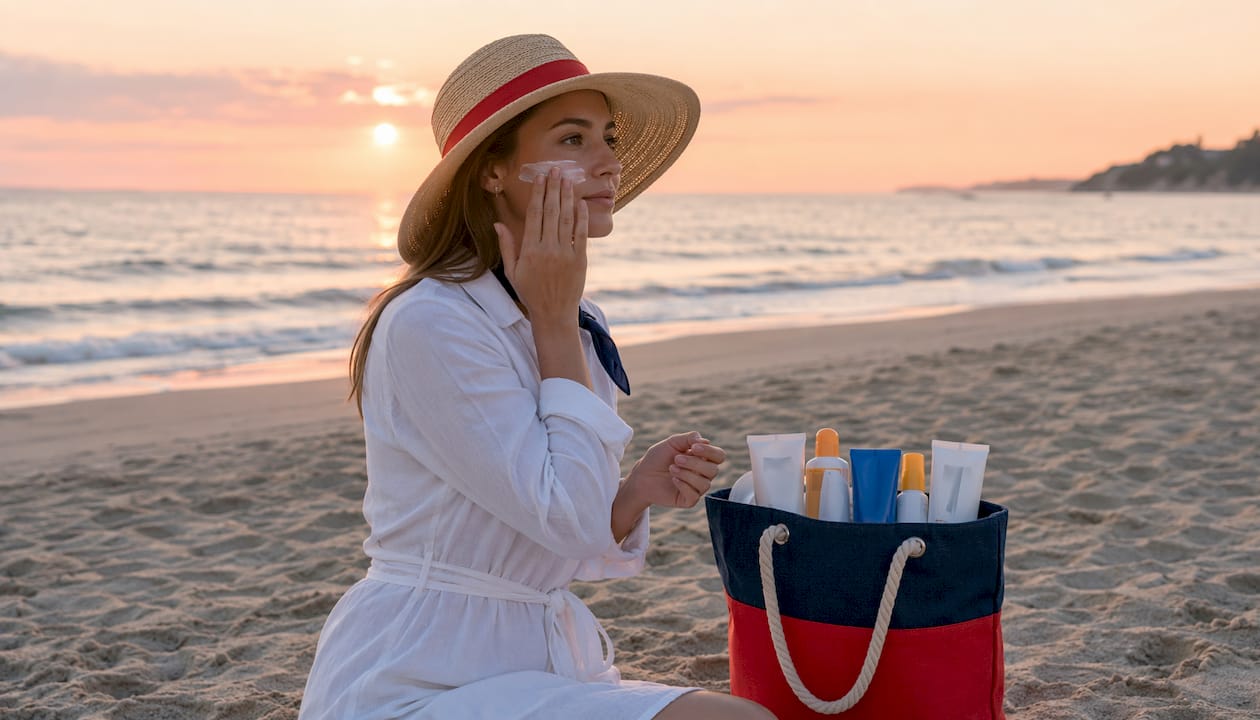
The best reef-safe sunscreen is a non-nano mineral formula built on zinc oxide or titanium dioxide, with no oxybenzone, octinoxate, or octocrylene. Here are the top picks available in the US right now:
Stream2Sea Sport Sunscreen SPF 40 — Best for snorkeling and water sports; backed by a University of Derby peer-reviewed study showing it can boost coral growth by up to 29%
Thinksport Zinc Oxide Sunscreen — Non-nano zinc, high water resistance, eco-certified; strong pick for active outdoor use
Thrive BodyShield — SPF 50 with moisturizing botanicals; ideal for sensitive or dry skin
Blue Lizard Sensitive Mineral SPF 50 — Budget-friendly zinc formula with a UV-indicator bottle
Badger Clear Zinc Sunscreen SPF 30 — Organic, beeswax-enhanced, one of the first brands to earn the Protect Land & Sea Certification
Kokua Sun Care — Hawaiian-formulated, compliant with Hawaii’s reef-safe regulations, free of phenoxyethanol
Goddess Garden — EWG Verified, plant-based, broad-spectrum protection
Project Reef — Sheer mineral lotion, EWG-listed, full ingredient transparency
Every product above relies solely on mineral UV filters. None contain the chemical actives that harm coral reefs at the concentrations found in typical beach water.
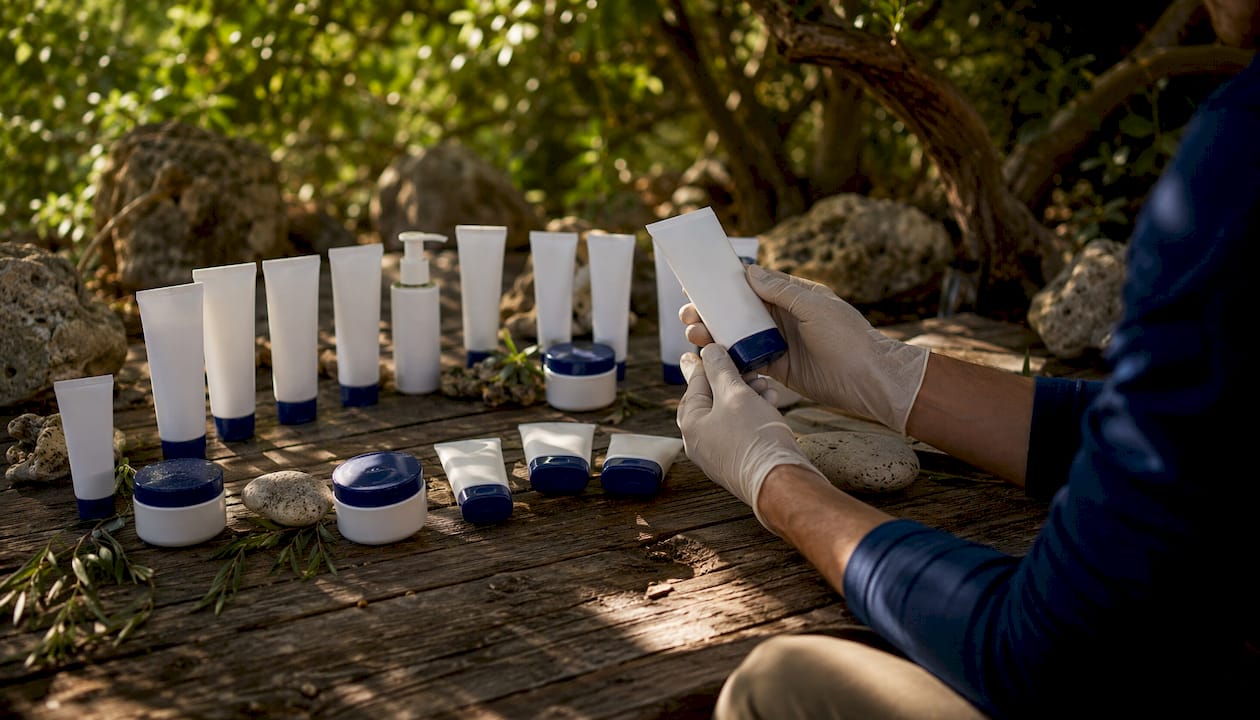
How do the top reef-safe sunscreen brands compare?
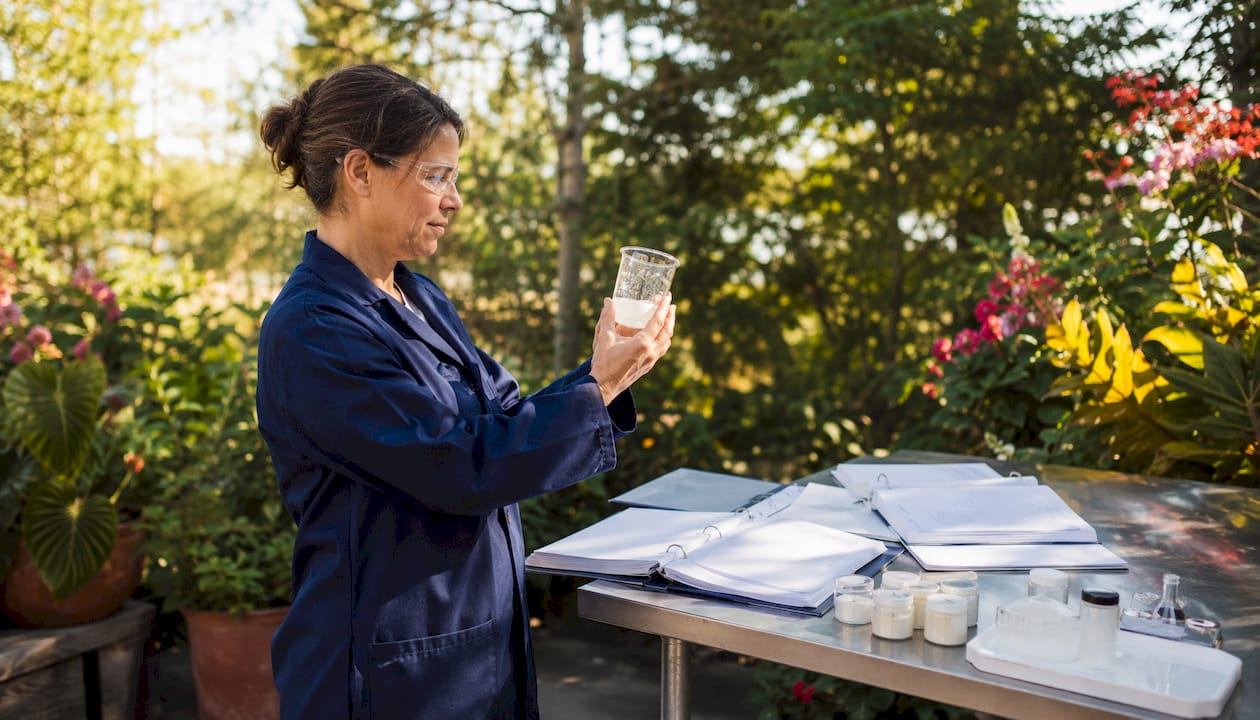
Six dimensions separate a genuinely reef-safe product from one that just claims to be.
Product | Best For | Skin Type | SPF | Hydration | Price Range | Certifications |
Snorkeling, water sports | All, sensitive | SPF 40 | Organic antioxidant blend | $$ | EWG Verified, Reef Safer™ | |
Active outdoor use | All | SPF 50 | Light | $$ | Eco-certified | |
Sensitive, dry skin | Sensitive, dry | SPF 50 | Rich botanicals | $$$ | Mineral-only | |
Budget-conscious | Sensitive | SPF 50 | Moderate | $ | Mineral zinc formula | |
Families, daily use | All | SPF 30 | Beeswax base | $$ | Protect Land & Sea | |
Hawaii travel, daily | All, sensitive | SPF 30–50 | Rich antioxidants | $$ | Hawaii-compliant | |
Natural product users | All | SPF 30–50 | Plant-based | $$ | EWG Verified | |
Eco-active consumers | All | SPF 30 | Sheer, light | $$ | EWG-listed |
Stream2Sea stands apart because of formula-level testing, not just ingredient screening. Its patented WetBoost™ technology is designed to perform better after water immersion, which matters when you are actually snorkeling. Kokua Sun Care uses 25% non-nano zinc in its SPF 50 and sources zinc oxide from Australia specifically to avoid heavy metal contamination found in cheaper alternatives. Badger earned one of the very first Protect Land & Sea Certifications after Haereticus Environmental Laboratory tested two of its formulas and confirmed they were free of every ingredient on the HEL LIST.
Goddess Garden carries EWG Verified status, which requires full ingredient disclosure and passes EWG’s toxicity and contamination standards. Project Reef’s Sheer Mineral Sunscreen Lotion SPF 30 also appears in EWG’s top-rated recreational sunscreen list, one of the more reliable public databases for this category.
How to choose a truly reef-safe sunscreen
No US federal regulation defines “reef-safe,” so the label alone tells you nothing. What matters is the ingredient list.
Ingredients to look for
Non-nano zinc oxide — particles large enough to settle as sediment rather than penetrate coral tissue
Titanium dioxide — a secondary mineral filter, also reef-compatible at non-nano particle size
Natural oils and butters — improve spreadability without adding reef-toxic chemicals
Ingredients to avoid
Oxybenzone and octinoxate — banned in Hawaii and the US Virgin Islands; cause coral bleaching even at low concentrations
Homosalate and octocrylene — increasingly flagged by marine toxicologists
Phenoxyethanol — harmful to reef ecosystems; Kokua Sun Care specifically excludes it while many competitors do not
Undisclosed fragrances — a transparency red flag; ingredient disclosure is a reliable trust signal
Certifications worth trusting
The EWG Verified mark requires full ingredient transparency and passes EWG’s hazard and contamination thresholds. The Protect Land & Sea Certification from Haereticus Environmental Laboratory goes further: it tests finished formulas, not just individual ingredients, against a list of compounds known to harm marine ecosystems. For maximum assurance, look for brands that conduct formula-level coral testing rather than relying on ingredient substitution alone.
Pro Tip: Apply mineral sunscreen at least 15 minutes before entering the water. Non-nano zinc oxide needs time to bind to skin, and a proper layer reduces how much washes off into the ocean during snorkeling.
Why reef-safe sunscreens matter for coral reefs and your skin
Chemical sunscreen filters do measurable damage to coral ecosystems. Oxybenzone and octinoxate cause coral bleaching and disrupt reproduction even at very low concentrations. After Hawaii banned both chemicals, reef toxin levels dropped 70% in monitored reef waters, a result that marine scientists did not expect to see so quickly.
Mineral sunscreens work differently. Zinc oxide and titanium dioxide sit on the skin surface and reflect UV light physically. They do not absorb into the bloodstream the way chemical filters do, which is why dermatologists recommend mineral filters for people with sensitive skin or known chemical sensitivities. The benefit is two-directional: less irritation for the person wearing it, less toxicity for the water they swim in.
Reef-safe sunscreen for snorkeling in Panama City Beach
Panama City Beach sits along the Gulf of Mexico, where seagrass beds and nearshore marine life depend on clean water. While Florida has not enacted the same chemical sunscreen bans as Hawaii, responsible snorkelers here follow the same standard: mineral-only, water-resistant, non-nano.
For snorkeling in these waters, Pcbprestige recommends the following practices on its private tours:
Choose a sunscreen with at least 80 minutes of water resistance, the threshold experts set for protected-area snorkeling
Apply 20–30 minutes before boarding, not at the water’s edge
Wear a rash guard to reduce total sunscreen volume needed
Avoid spray sunscreens in open water (see the sunscreen types section below)
Reapply after toweling off, not just after swimming
Pro Tip: If you’re heading to Shell Island snorkeling spots with Pcbprestige, Stream2Sea or Badger are the easiest to find locally and hold up well in Gulf water conditions.
Ethical wildlife interaction starts before you get in the water. The sunscreen you choose is part of that commitment, not an afterthought.
What does reef-safe sunscreen typically cost?
Mineral reef-safe sunscreens generally cost within an accessible price range for standard tubes or tins. Blue Lizard sits at the lower end, making it accessible for families buying in volume. Kokua Sun Care’s SPF 50 retails around $32. Thrive BodyShield and Stream2Sea fall in the mid-range. Goddess Garden and Badger are widely available at natural grocery stores, often at competitive prices compared to specialty retailers.
Buying directly from brand websites sometimes unlocks bundle pricing. For regular beach trips or snorkeling tours, buying two or three tubes at once is more cost-effective than single purchases at resort shops, where markup on specialty sunscreens can be steep.
How to verify reef-safe claims and certifications
Start with the active ingredient list. If it lists anything other than zinc oxide or titanium dioxide, the product is not a true mineral sunscreen. Next, check the inactive ingredients for oxybenzone, octinoxate, homosalate, octocrylene, and phenoxyethanol.
For third-party verification, cross-reference the brand against the EWG Sunscreen Database and the Protect Land & Sea certified product list. Both are publicly searchable. A brand that claims reef-safe status but does not appear in either database deserves scrutiny. Transparency in ingredient disclosure is the clearest signal of a trustworthy brand.
Where to buy authentic reef-safe sunscreens
Online: Brand websites (Stream2Sea, Badger, Kokua Sun Care, Goddess Garden) offer the full product range. Amazon carries most of these brands, though counterfeit listings exist, so buy from the brand’s own storefront when possible.
In-store: Whole Foods, REI, and natural grocery chains stock Badger, Goddess Garden, and Thinksport reliably. Blue Lizard is available at Target and CVS. For travelers, Destin-area water activity shops and Gulf Coast outfitters often carry reef-safe options near the point of need.
Lotions, sprays, and sticks: which format is safest for reefs?
Lotions are the gold standard for reef safety. You control exactly how much goes on, and the formula stays on skin rather than drifting into the air or water.
Sprays are convenient but problematic near the ocean. Aerosol particles land on the water surface and can be inhaled by marine animals. Several marine parks and protected areas explicitly prohibit spray sunscreens. If you use a spray, apply it on land, rub it in fully, and never spray directly near water.
Sticks work well for face and spot application. They use less product per application and tend to stay put better than lotions in high-sweat conditions. Badger makes a stick format that carries the same reef-safe credentials as its lotion line.
For snorkeling specifically, lotion applied before entering the water remains the most responsible choice.
Key Takeaways
Mineral sunscreens with non-nano zinc oxide are the only category that is both reef-safe and dermatologist-recommended for sensitive skin.
Point | Details |
Choose mineral-only formulas | Non-nano zinc oxide and titanium dioxide are the only UV filters proven safe for coral ecosystems. |
Avoid reef-toxic chemicals | Oxybenzone and octinoxate caused measurable reef damage; Hawaii’s ban reduced toxin levels by 70%. |
Verify with third-party certifications | EWG Verified and Protect Land & Sea are the two most reliable public standards to check. |
Apply before water entry | Apply at least 15–20 minutes before swimming; 80-minute water resistance is the minimum for snorkeling. |
Pcbprestige recommends reef-safe sunscreen | On private snorkeling tours in Panama City Beach, Pcbprestige guides guests to use mineral-only, water-resistant formulas to protect Gulf marine life. |
The reef-safe label is doing more harm than you think
The term “reef-safe” has become marketing shorthand, and that is a problem. Brands slap it on products that still contain octocrylene or phenoxyethanol, ingredients that do not appear on Hawaii’s banned list but still show up in marine toxicology research as harmful. Consumers who trust the label without reading the ingredients are not actually protecting reefs. They just feel like they are.
The more honest standard is formula-level testing: putting the finished product in contact with coral larvae and measuring viability. Stream2Sea does this. Aethic does this. Most brands do not, because it costs money and the results are not always flattering. The EWG database and Protect Land & Sea certification get you closer to that standard than any front-of-label claim ever will.
There is also a behavioral gap worth naming. Applying reef-safe sunscreen and then snorkeling directly over a coral head still causes physical damage. The sunscreen choice matters, but so does where you put your fins and hands. Reef protection is a practice, not a product purchase.
Private snorkeling tours in Panama City Beach done the right way
Choosing the right sunscreen is one part of responsible ocean travel. The other part is who takes you out there.
Pcbprestige runs private dolphin and snorkeling tours in Panama City Beach aboard a 26-foot powerboat with a licensed local captain, all snorkel gear included, and a maximum of six guests per trip. No crowded boat, no rushed itinerary. The captain knows where the marine life is and how to approach it without disturbing it. That combination of small-group access and ethical wildlife practice is what separates a Pcbprestige tour from a standard group excursion.
If you are planning a trip to Shell Island or the Gulf waters around Panama City Beach, book your private tour and ask about reef-safe sunscreen recommendations before you arrive. The marine life guide on the Pcbprestige site is also worth reading before you get in the water.
Recommended
Family-Friendly Dolphin Tours in Panama City Beach: A Parent’s Guide
Stingrays of St. Andrews Bay: A Complete Guide | PCB Prestige Private Dolphin & Snorkel
Swim with Dolphins FL - Private Dolphin & Snorkeling Tours in Panama City Beach
Panama City Beach Marine Life Guide | PCB Prestige Private Dolphin & Snorkel Tours
Comments